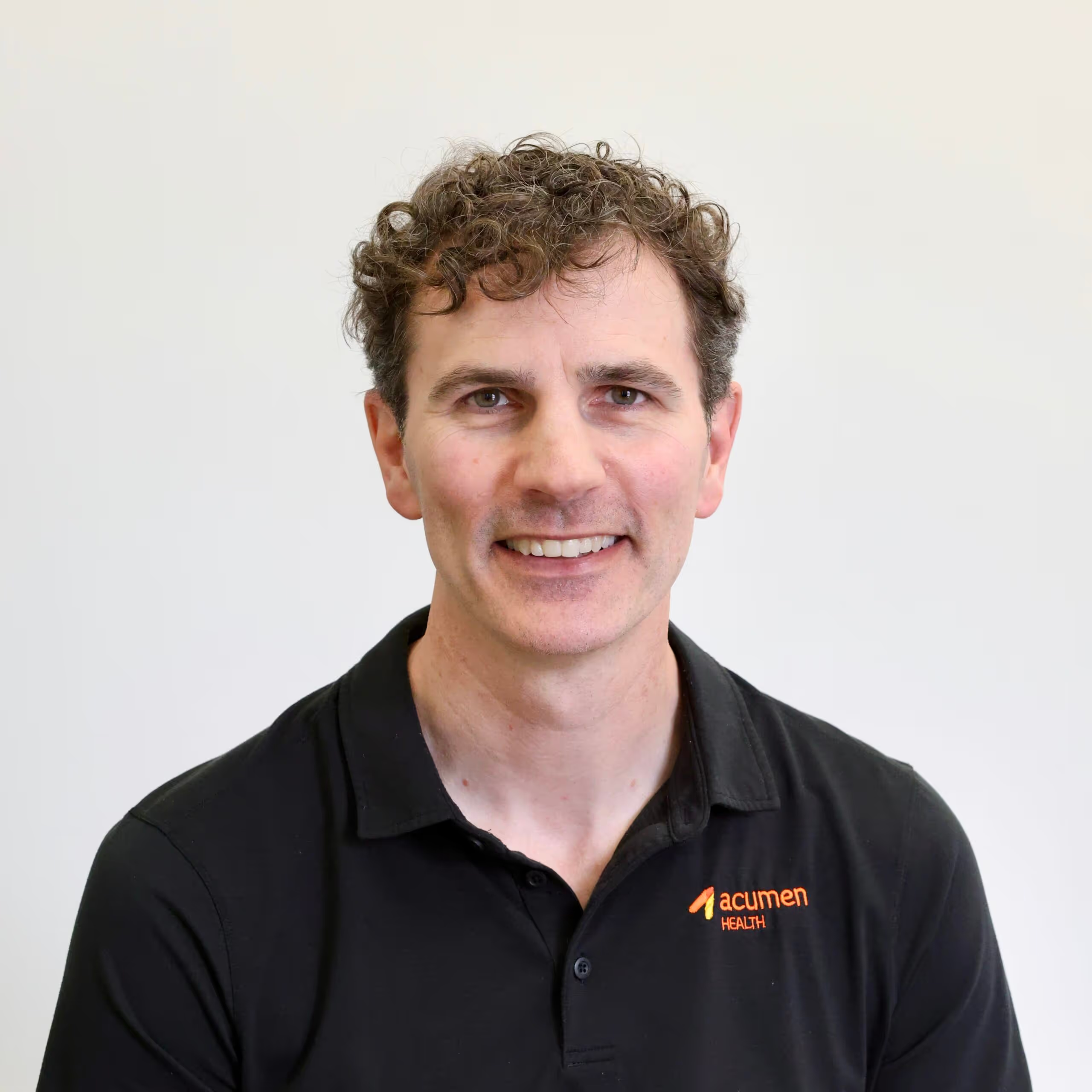
Curtis Myden
Fellowship-trained sports and arthroscopy surgeon treating knee and shoulder injuries in athletes of every level. Olympian. Private consults in Edmonton.

We research every surgeon’s training and practice, and verify their credentials, before they can list.

Fellowship-trained sports and arthroscopy surgeon treating knee and shoulder injuries in athletes of every level. Olympian. Private consults in Edmonton.

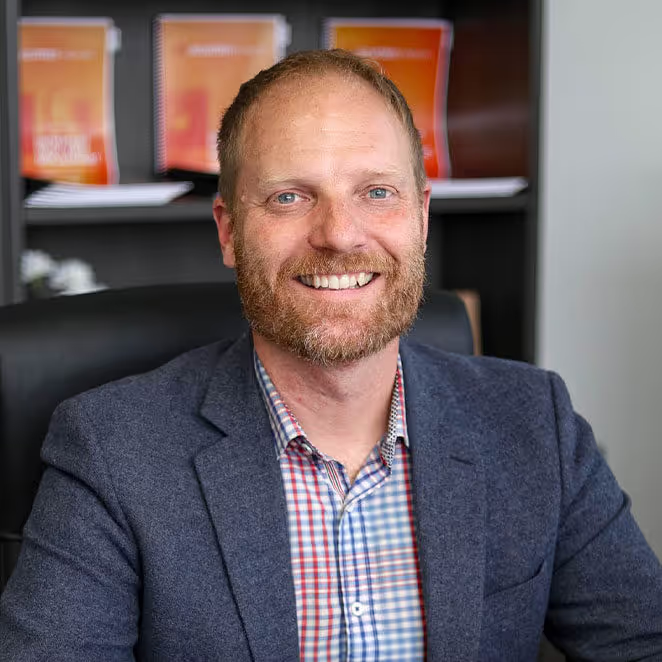
Dual fellowship-trained orthopedic surgeon practicing in Vancouver, Kelowna, Calgary & Edmonton. Arthroscopic shoulder, knee and elbow surgery for sports injuries.

Orthopedic surgeon focused on hip and knee replacement. Past president of the Alberta Orthopaedic Society and founding member of the Alberta Bone & Joint Health Institute.
You can reach out without a referral. Intake teams answer questions, share pricing ranges and walk you through next steps.
A formal consultation typically needs a referral, plus recent imaging and records. Many clinics can help arrange the referral.
All surgeons listed on Surgency offer virtual consultations, so you don’t need to travel until you and the surgeon have agreed on a plan.
This page is for patients and caretakers considering private knee options in Edmonton. Browse accredited private surgical providers.
Note: if you live in Alberta, you can only pay privately for surgery in Alberta with a surgeon who has opted out of AHCIP or is approved for dual practice (look for surgeons without the "Private unavailable for Alberta residents" note on their profile). For more knee options, view Vancouver, BC; Calgary, AB; Toronto, ON; Montréal, QC.

More than 300,000 surgeries are performed in Alberta each year, including over ~8,500 knee replacements. Most knee surgeries are delivered through the publicly funded Alberta Health Care Insurance Plan (AHCIP).
Most knee surgeries are considered 'medically necessary' and are therefore covered by AHCIP. This means Albertans can only pay privately for knee surgery in Alberta with a surgeon who has opted out of AHCIP or is approved for dual practice. To find these surgeons, look for profiles without the "Private unavailable for Alberta residents" note. This rule doesn't apply to patients from other provinces.
While some services are available privately (certain elective lower limb surgeries such as limb lengthening and knee contouring), some Edmontonians choose to pursue interprovincial travel for private knee surgery when local wait times for replacement, ACL reconstruction, or arthroscopy are not workable.
About dual practice: Alberta's new dual practice option lets approved surgeons stay in the public system while charging patients directly for eligible elective procedures. It's new, so ask a surgeon whether they're approved before you plan around it.
The city has a high volume of knee replacements—between 250-350 per month. But wait times in Edmonton are modest for some, but long for others: the 10th percentile gets surgery within 5 weeks, the 50th percentile gets surgery in 25 weeks, and the 90th percentile waits 60 weeks.

Knee surgeons are orthopedic surgeons who specialize in conditions affecting the knee joint—including the bones, cartilage, ligaments, menisci, and tendons. The most common reasons people seek knee-specific care include:
Please consult your physician for more guidance.
It depends on the surgeon's status. For medically necessary knee surgeries—such as knee replacement, partial replacement, arthroscopy, ACL reconstruction, or revision—Albertans generally cannot pay privately to a surgeon enrolled in the Alberta Health Care Insurance Plan (AHCIP).
That is why some Albertans seeking timely private knee care choose to go out-of-province (typically to Québec or BC).
There are two exceptions within Alberta: a knee surgeon who has formally opted out of AHCIP, or one approved for Alberta's new dual practice option, which lets surgeons stay in the public system while charging patients directly for eligible elective procedures. In either case, you pay the full cost out-of-pocket and can't claim it back from the government. Dual practice is new, so ask a surgeon whether they're approved. To find surgeons who can treat Alberta residents privately, look for profiles without the "Private unavailable for Alberta residents" note.
If you are from another province, then you are free to pay out of pocket for private surgical services.
Curious about aftercare? Read our guide on aftercare when travelling for surgery.
Yes and no—you can reach out to any of the private surgeons listed on Surgency without a referral. Their intake teams are happy to answer questions, explain what they treat, share pricing ranges, and walk you through next steps.
However, to book a formal consultation with the surgeon, you'll typically need a referral from your family doctor or nurse practitioner. Don't have one? Many of the clinics can help coordinate a virtual GP appointment to get the referral paperwork sorted. All surgeons listed on Surgency offer virtual initial consultations, so you don't need to travel until you and the surgeon have agreed on a plan.
Before your consultation, expect the clinic to request relevant medical records and recent diagnostic imaging (X-ray, MRI, CT, ultrasound, lab work, etc.). Having these ready speeds up the process and lets the surgeon give you specific guidance on your very first call.
This is general information, please seek professional tax guidance.
AHCIP does not cover procedures at private clinics.
Standard extended health benefits (e.g. Sun Life, Manulife, Alberta Blue Cross) typically do not cover the cost of the surgery itself. However, they often cover related costs such as:
If your employer provides a Health Spending Account (HSA) or "flex account," you can often use these funds to pay for the surgery. Unlike standard benefits, HSAs are usually flexible enough to cover CRA-eligible medical expenses, including private facility fees.
You may be able to get some financial relief at tax time.
Medical Expense Tax Credit (METC): You can generally claim eligible private surgery fees as a medical expense on your federal tax return. Learn more about the METC here.
Alberta Provincial Credit: Alberta has a parallel medical expense tax credit that can further reduce your provincial tax liability.
Travel costs: Mileage, parking, and accommodation may also be claimable if you travel more than 40 km (for travel expenses) or 80 km (for accommodation and meals) to receive medical services not available near your home.
Please consult a tax professional before claiming any private surgery fees on your taxes.

Surgency is free for patients, funded by surgeons/surgical providers.
Surgeons and providers—who meet our listing criteria—pay a flat fee to list on the Surgency platform. To maintain objectivity, there are no commissions, referral fees, nor any ranking or recommending one surgeon over another.
Surgency is patient-first. Our goal is to make the process of finding a private surgeon as simple as possible. You choose who to contact. Learn more in our Advertising Policy.
Private surgery in Canada is largely offered in BC, Alberta, Ontario, and Québec (and rarely available in other provinces and territories). Québec offers the lowest price ranges, while Alberta and Ontario offer the highest (BC only slightly lower).
For knee surgery, costs in Edmonton vary depending on surgeon experience, facility fees, anesthesia and complexity of the problem.
At the low end, for a diagnostic arthroscopy, prices range between $4,000 - $6,000. At the higher end, total knee replacements can cost between $26,000 to $38,000 (read our knee replacement cost guide for more info).
Pre-op imaging, medications, and physiotherapy may or may not be bundled in, so it's best to ask each clinic for a written, itemized quote.
For a list of knee procedures and price ranges, see the Knee Surgery hub.
Private surgeons typically charge a consultation fee because a surgical consult involves clinical work before, during, and after the appointment.
Most consultation costs range between $200 - $400, however they can be up to 10% of the overall surgery costs. In many cases this fee will get rolled into the total cost of the surgery itself—ask the surgeon.
A surgical consultation isn’t a “meet and greet.” It’s a formal medical assessment where the surgeon may:
Private clinics also cover operating costs that public hospitals don’t fund in the same way, including:
The consultation fee helps support these resources and the infrastructure required to provide timely, organized care outside publicly funded hospital operations.
As a family doctor in the public system, I believe transparency is a form of care. I created Surgency to help my patients struggling on long waitlists who wanted to understand all their options for timely medical attention.
Surgency is a free resource designed to empower and educate—helping you understand private pathways and find accredited surgeons within Canada. I hope Surgency brings you clarity.
Dr. Sean Haffey

Review each surgeon’s credentials and experience, then request a virtual consultation. No commitment to surgery. No referral needed.