surgency standard mark

The Surgency Standard

We research every surgeon’s training and practice, and verify their credentials, before they can list.

  • Medical degree
  • Canadian licensure
  • Disciplinary record
  • Specialty certification
  • Valid malpractice insurance
  • Provincial licence in good standing

Private orthopedic surgeons in Ontario

Surgeons listed:
8
Accepting 🇨🇦 residents
Private unavailable for Ontario residents
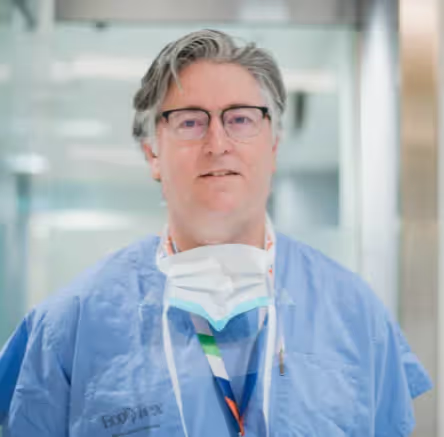
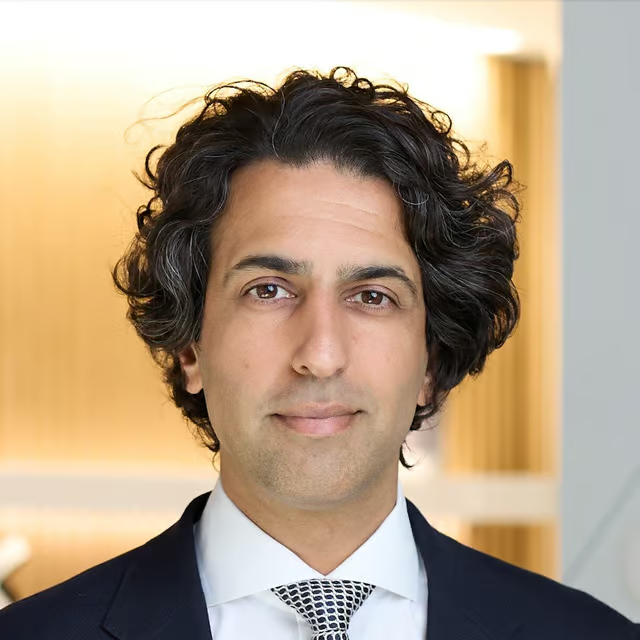
Rick Zarnett

Rick Zarnett

MD, FRCSC
Orthopedic Surgeon

Fellowship-trained orthopedic surgeon to multiple professional sports teams with over 35 years of experience.

Location
Toronto, ON
Experience
35 years
Languages
English
Treats
Adult patients
Focus
Knee & Sports Medicine
Accepting 🇨🇦 residents
Private unavailable for Ontario residents
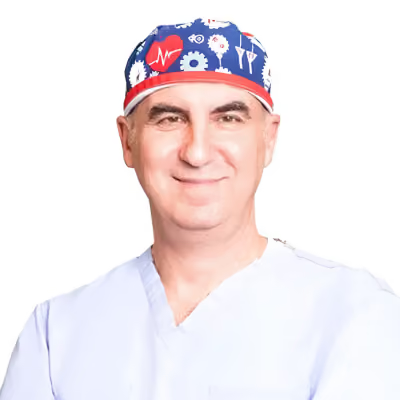
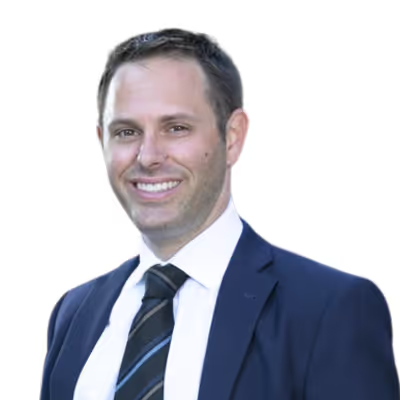
Dale Dantzer

Dale Dantzer

MD, FRCSC
Orthopedic Surgeon

Fellowship-trained orthopaedic surgeon with over 25 years of experience specializing in upper extremity procedures.

Location
Toronto, ON
Experience
25 years
Languages
English
Treats
Adult patients
Focus
Shoulder & Elbow
Accepting 🇨🇦 residents
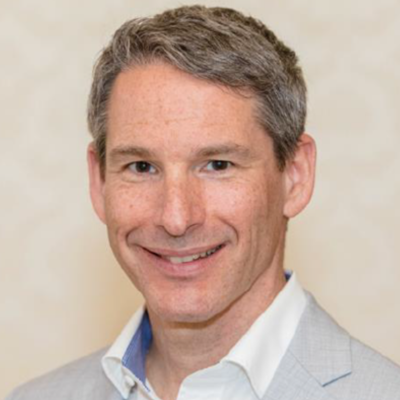
Paul Zalzal

Paul Zalzal

MD, MASc, FRCSC
Orthopedic Surgeon

Orthopaedic surgeon and biomedical engineer focused on hip and knee replacement, with over twenty years in practice. 

Location
Toronto, ON
Experience
20+ years
Languages
English, French
Treats
Adult patients
Focus
Hip & Knee
Accepting 🇨🇦 residents
Private unavailable for Ontario residents
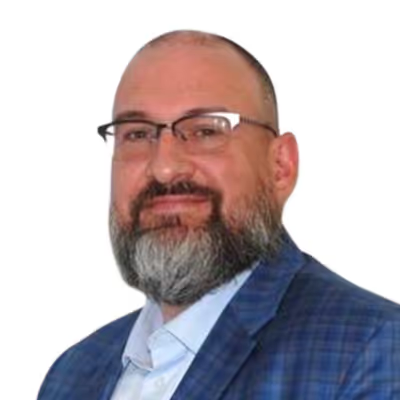
Barry Cayen

Barry Cayen

MD, MSc, MPH, FRCSC
Orthopedic Surgeon

Dual fellowship-trained academic orthopaedic surgeon with over 15 years of experience specializing in hip and knee surgery.

Location
Toronto, ON; Calgary, AB
Experience
15 years
Languages
English
Treats
Adult patients
Focus
Hip & Knee
Accepting 🇨🇦 residents
Private unavailable for Ontario residents
Ontario residents: some elective procedures available privately
Warren Latham

Warren Latham

MD, FRCSC
Orthopedic Surgeon

Fellowship-trained foot and ankle specialist with over 20 years of experience.

Location
Toronto, ON
Experience
20 years
Languages
English
Treats
Adult patients
Focus
Foot & Ankle
Accepting 🇨🇦 residents
Daniel Pincus

Daniel Pincus

MD, PhD, FRCSC
Orthopedic Surgeon

Orthopaedic surgeon in Toronto, Ontario, focused on hip and knee replacement. 3,000 joint surgeries completed.

Location
Toronto, ON
Experience
6 years
Languages
English
Treats
Adult patients
Focus
Hip & Knee
Accepting 🇨🇦 residents
Private unavailable for Ontario residents
Jas Chahal

Jas Chahal

MD, MSc, FRCSC
Orthopedic Surgeon

Fellowship-trained orthopedic sports medicine surgeon in Toronto, ON. Hip, knee & shoulder arthroscopy, cartilage repair. Serves as Lead Team Physician for major professional sports organizations.

Location
Toronto, ON
Experience
14 years
Languages
English
Treats
Adult patients
Focus
Sports Medicine
Accepting 🇨🇦 residents
Private unavailable for Ontario residents
Daniel Tushinski

Daniel Tushinski

MD, MSc, FRCSC
Orthopedic Surgeon

Fellowship-trained orthopedic surgeon with 13 years of experience, specializing in hip and knee replacement.

Location
Toronto, ON
Experience
13 years
Languages
English
Treats
Adult patients
Focus
Hip & Knee

How requesting a consultation works on Surgency

  1. Contact the provider’s office

    You can reach out without a referral. Intake teams answer questions, share pricing ranges and walk you through next steps.

  2. Get your records ready

    A formal consultation typically needs a referral, plus recent imaging and records. Many clinics can help arrange the referral.

  3. Start with a virtual consultation

    All surgeons listed on Surgency offer virtual consultations, so you don’t need to travel until you and the surgeon have agreed on a plan.

About private care in Toronto

This page is a practical guide for individuals exploring private orthopedic surgical care in Toronto, Ontario. You'll find an overview of public wait times, regulatory considerations, and a list of accredited surgeons practising in Ontario.

Note: Ontario residents cannot pay privately for surgery within Ontario. For more orthopedic options, view options in Montréal, QC; Vancouver, BC; Calgary, AB; Edmonton, AB.

Ontario orthopedic surgeon in scrubs in OR room

Public & private context for orthopedic surgery in Ontario

An estimated 600,000 surgeries are performed in Ontario each year, with over 250,000 Ontarians on wait lists. Tens of thousands of which are waiting on orthopedic surgeries.

All medically necessary orthopedic surgeries are delivered through the publicly funded Ontario Health Insurance Plan (OHIP), because private surgical options in Ontario are restricted. Ontario surgeons may not accept payment for medically necessary surgeries from Ontario residents.

Unlike most provinces, Ontario explicitly prohibits its surgeons from 'opting out' of OHIP, which would allow them to see Ontario residents within the province. Accordingly, anyone interested in private pay surgery must travel out-of-province for any medically necessary procedure.

Private pay for purely elective surgeries (e.g., cosmetic procedures, LASIK) is permitted under current regulations.

Current regulations: Ontario maintains some of the stricter regulations around private surgery in Canada. The Commitment to the Future of Medicare Act (CFMA) prohibits physicians from charging patients for OHIP-insured services, and enforcement has historically been rigorous. Unlike BC, QC, AB, Ontario has seen less legal challenge to these restrictions, and the private surgical landscape remains more constrained.

Typical wait times for orthopedic surgery in Ontario

Wait 1 and Wait 2

Wait times depend on urgency, imaging, and OR capacity.

If you’re over 60 with degenerative arthritis, you may be triaged differently than a younger patient with a locked knee or acute ligament injury. The fastest path usually comes from: clear diagnosis + complete imaging + documented failed conservative care.

In the Canadian medical system, wait times are divided into two distinct stages:

  • Wait 1: referral → specialist consult
  • Wait 2: decision to treat → surgery date

Ontario tracks both stages.

How Ontario Prioritizes who gets surgery

In Ontario, surgical wait times are not determined on a first-come, first-served basis. Instead, they are managed through a standardized provincial system called the Wait Time Information System (WTIS), overseen by Ontario Health.

When a surgeon recommends you for surgery, they assign a Priority Level (1–4) based on clinical criteria. This priority level determines your target wait time—the maximum recommended time between your decision to proceed with surgery and the procedure itself.

Priority Level Classification Definition & Assessment Criteria Target Wait Time*
Priority 1 Emergency Immediate threat to life or limb.
• Condition is critical and requires immediate intervention.
• Without surgery, the patient will die or suffer permanent, catastrophic damage.
Note: These patients do not go on a “waitlist”; they go straight to the OR.
Immediate (Target: 24 Hours)
Priority 2 Urgent High risk of deterioration or severe symptoms.
• The condition is likely to progress quickly.
• Patient is in severe pain or has severe functional impairment.
• Delay could make the surgery more complex or less effective.
14 Days (Cancer / Cardiac); sometimes 48 hrs for non-cancer urgent
Priority 3 Semi-Urgent Stable but causing dysfunction/pain.
• The condition is progressing slowly.
• Pain or dysfunction is impacting daily life but is not immediately critical.
• Unlikely to deteriorate significantly in the short term.
28 Days (Cancer); 84 Days / 12 wks (General)
Priority 4 Elective Non-urgent / Scheduled.
• Condition is stable and chronic.
• Patient has functional impairment (e.g., difficulty walking due to arthritis) but no risk of immediate death or severe progression.
• Includes most hip/knee replacements and cataracts.
182 Days (26 Weeks)

How Priority Levels Are Assigned

Priority levels are not assigned automatically—they are clinical decisions made by your surgeon. However, surgeons must follow Ontario's "Access to Care" guidelines, which consider three main factors:

1. Disease Progression

  • Fast progression – Is the tumour growing aggressively? Is a valve failing rapidly? → Higher priority (P2)
  • Slow or stable – Has the condition remained unchanged for years? → Lower priority (P4)

2. Severity of Symptoms

  • Pain – Is it manageable with over-the-counter medication (P4), or does it require hospitalization or opioids (P2/P3)?
  • Function – Can the patient work, walk, and care for themselves? Or are they largely immobile or bedridden?

3. Adverse Risk of Delay

  • Will waiting 3–6 months risk the condition becoming inoperable, or cause secondary problems such as fractures, infections, or permanent damage?

Ontario wait times

In Ontario, there are an estimated 40,000 people waiting for orthopedic surgeries. In general, Ontario is one of the faster provinces at processing surgical wait lists, but the wait is still long for many.

For hip replacements, 78% of patients treated within target time. Priority 4 patients are seen within 16 weeks; Priority 3 patients are seen within 12 weeks; Priority 2 patients are seen within 11 weeks.

For knee replacements, 79% of patients are treated within target time. Priority 4 patients are seen within 17 weeks; Priority 3 patients are seen within 12 weeks; Priority 2 patients are seen within 10 weeks.

Note: the above estimates do not include the Wait 1 period, which adds an additional 9-11 weeks for hip replacements and 5-14 weeks for knee replacements.


What an orthopedic surgeon treats

Orthopedic surgeons specialize in conditions affecting the musculoskeletal system—bones, joints, ligaments, tendons, and muscles. Common concerns that bring patients to an orthopedic specialist include:

When might you consider an orthopedic consultation?

It may be time to see an orthopedic surgeon if:

  • Pain has persisted for 6–12 weeks or longer despite physiotherapy
  • You experience mechanical symptoms such as locking, catching, or giving way
  • Your symptoms are affecting work, sleep, or physical activity
  • Imaging (X-ray or MRI) has identified a problem that may require surgery
  • Conservative treatments have not provided meaningful improvement
  • You'd like a second opinion from a surgical specialist

Frequently asked questions

It depends on the procedure and setting. For purely elective, non-essential surgeries (such as cosmetic and ophthalmology), Ontario residents can pay out of pocket for surgery within Ontario.

But for essential surgeries (e.g. hip replacements, knee arthroscopy, ACL reconstruction, etc.), the answer is no. That is why all Ontarians who seek private surgery go out-of-province.

Yes and no—you can reach out to any of the private surgeons listed on Surgency without a referral. Their intake teams are happy to answer questions, explain what they treat, share pricing ranges, and walk you through next steps.

However, to book a formal consultation with the surgeon, you'll typically need a referral from your family doctor or nurse practitioner. Don't have one? Many of the clinics can help coordinate a virtual GP appointment to get the referral paperwork sorted. All surgeons listed on Surgency offer virtual initial consultations, so you don't need to travel until you and the surgeon have agreed on a plan.

Before your consultation, expect the clinic to request relevant medical records and recent diagnostic imaging (X-ray, MRI, CT, ultrasound, lab work, etc.). Having these ready speeds up the process and lets the surgeon give you specific guidance on your very first call.

This is general information, please seek professional tax guidance.

Generally, private surgeries performed in Canada are paid for out-of-pocket or via private insurance/ employer benefits.

Provincial plans (like OHIP, MSP, or AHCIP) typically do not cover procedures at private clinics, though some exceptions exist for WCB (Workers' Compensation) claims or specific inter-provincial programs.

Private insurance

Standard extended health benefits (e.g. Sun Life, Manulife) typically do not cover the cost of the surgery itself. However, they often cover related costs such as:

  • Post-op physiotherapy
  • Prescription medications
  • Custom braces or crutches
  • Medical devices (e.g., CPAP after sleep surgery)

Health spending account

If your employer provides a Health Spending Account (HSA) or "flex account," you can often use these funds to pay for the surgery. Unlike standard benefits, HSAs are usually flexible enough to cover CRA-eligible medical expenses, including private facility fees.

Tax Credits (Federal & Provincial)

‍You may be able to get some financial relief at tax time.

  • Medical Expense Tax Credit (METC): You can generally claim eligible private surgery fees as a medical expense on your federal tax return—learn more about the METC here.
  • Ontario Medical Expense Tax Credit: Ontario has a parallel medical expense tax credit that can further reduce your provincial tax liability.
    • You claim eligible expenses minus the lesser of 3% of your net income or a flat threshold ($2,890 for 2026).
    • Note: Travel costs (e.g., mileage, hotels) may also be claimable if you travel more than 40km (for travel expenses) or 80km (for accommodation/meals) to receive medical services not available near your home.
  • If you are a senior with low-to-moderate income, you may also qualify for the Ontario Seniors Care at Home Tax Credit, which is refundable and helps with medical expenses that support aging at home

Please consult a tax professional before claiming any private surgery fees on your taxes.

Surgency is free for patients, funded by surgeons/surgical providers.

Surgeons and providers—who meet our listing criteria—pay a flat fee to list on the Surgency platform. To maintain objectivity, there are no commissions, referral fees, nor any ranking or recommending one surgeon over another.

Surgency is patient-first. Our goal is to make the process of finding a private surgeon as simple as possible. You choose who to contact. Learn more in our Advertising Policy.

The costs for orthopedic surgery are substantial.

They vary considerably depending on the procedure, your underlying health conditions, the experience of the surgeon, type of anesthesia, etc., and can cost anywhere from $5,000 to $50,000+.

For an overview on private surgery costs, see our Resources on Private Surgery Costs.

Private surgeons typically charge a consultation fee because a surgical consult involves clinical work before, during, and after the appointment.

Most consultation costs range between $200 - $400, however they can be up to 10% of the overall surgery costs. In many cases this fee will get rolled into the total cost of the surgery itself—ask the surgeon.

A surgical consultation isn’t a “meet and greet.” It’s a formal medical assessment where the surgeon may:

  • review your imaging (e.g., MRI, X‑rays) and relevant medical records,
  • take a detailed history and perform a physical examination,
  • determine whether surgery is appropriate, and explain alternatives, benefits, and risks.

Private clinics also cover operating costs that public hospitals don’t fund in the same way, including:

  • administrative staff for intake and coordination,
  • facility costs such as rent, utilities, and specialized equipment,
  • technology such as private EMR systems and secure portals for sharing results.

The consultation fee helps support these resources and the infrastructure required to provide timely, organized care outside publicly funded hospital operations.

What is Surgency?

As a family doctor in the public system, I believe transparency is a form of care. I created Surgency to help my patients struggling on long waitlists who wanted to understand all their options for timely medical attention.

Surgency is a free resource designed to empower and educate—helping you understand private pathways and find accredited surgeons within Canada. I hope Surgency brings you clarity.

Dr. Sean Haffey

Credit card mockup

Find a surgeon in Toronto

Review each surgeon’s credentials and experience, then request a virtual consultation. No commitment to surgery. No referral needed.

View surgeons