
Looking to learn more about a specific prostate procedure? Click “See Procedures” below. If you’d like to speak with a private surgeon, click “See Surgeons” for a list of accredited urology surgeons in Canada. You can explore their profiles and reach out directly.

.png)
As a family doctor in the public system, I believe transparency is a form of care. I created Surgency to help my patients struggling on long waitlists who wanted to understand all their options for timely medical attention.
Surgency is a free resource designed to empower and educate—helping you understand private pathways and find accredited surgeons within Canada. I hope Surgency brings you clarity.
Dr. Sean Haffey
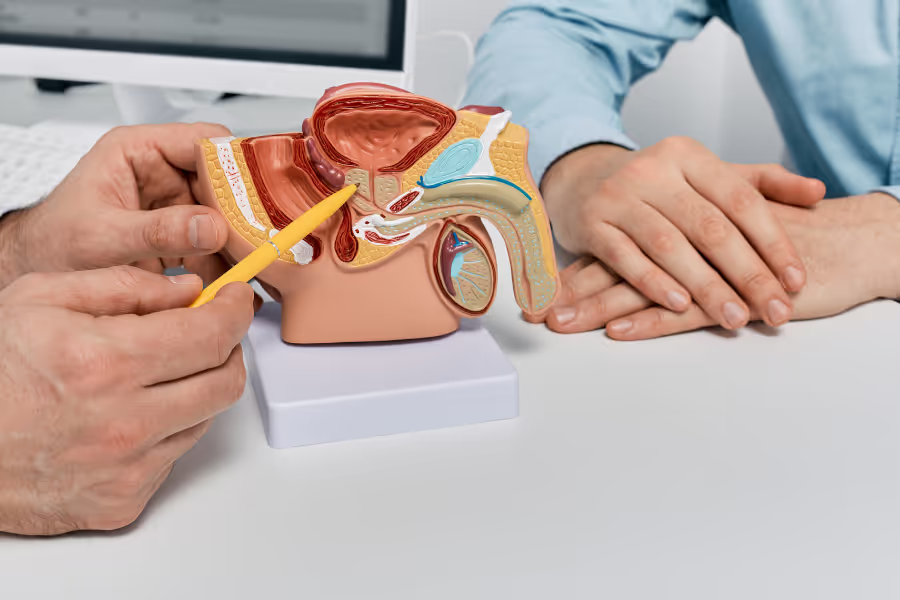
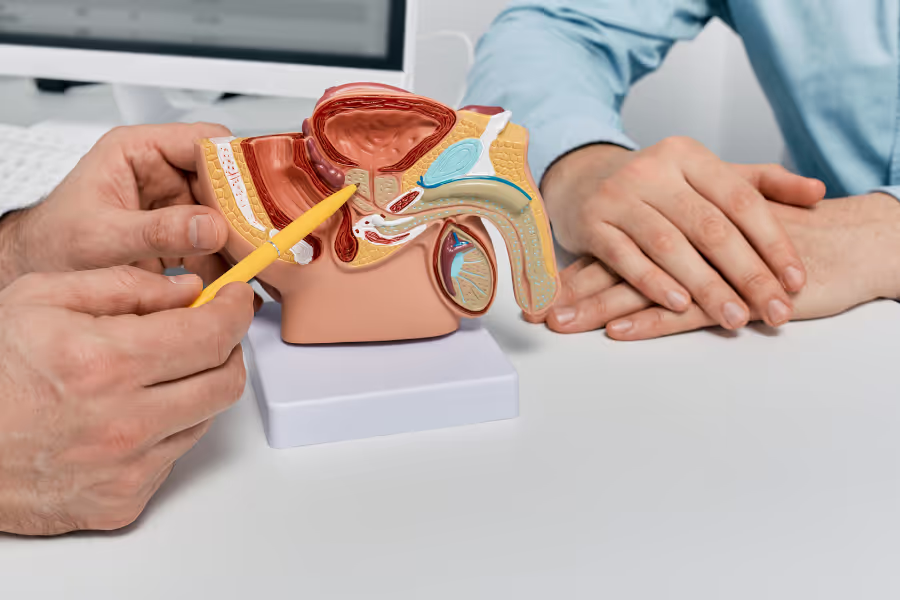
Learn more about specific prostate surgeries by clicking into our procedure guides below. Each guide covers what the procedure is for, what the surgical process typically looks like, cost considerations, recovery timelines, how to compare surgeons, and the key risks to understand.
Healthcare rules vary by province, but people sometimes choose to travel out-of-province for private prostate surgery because some of these operations are considered “medically necessary” and are therefore insured under the provincial plan—surgeries like TURP (Transurethral Resection of the Prostate) and radical prostatectomies are fully covered by provincial health insurance plans.
In Canada, surgeons/hospitals can’t bill you privately for an insured procedure (or surgeons can’t easily opt out), so private access is limited locally.
However, many of the newer, minimally invasive technologies—especially for Benign Prostatic Hyperplasia (BPH) are either entirely uninsured or require the patient to pay out-of-pocket for the specific medical device/technology used.
Here are the most common prostate procedures that generally require private, out-of-pocket payment across Canada:
Minimally Invasive Surgeries for BPH (Enlarged Prostate)
Focal Therapies for Prostate Cancer
(Note: Because healthcare is regulated provincially, exact coverage rules can vary slightly depending on whether you are in BC, Ontario, Alberta, etc., but the device costs for MISTs like Rezūm are almost universally out-of-pocket).
When symptoms are disruptive, waiting can be its own health burden. Months on a list for procedures like TURP, HoLEP, or Rezum can mean ongoing urinary retention, sleepless nights, frequent urgent bathroom trips, recurrent infections, catheter dependency, and time lost from work and family life.
Prostate health is personal. Many patients choose private pathways because they want a more discreet, patient-led experience: more time in consult, clearer conversations around sexual and urinary side effects, and the ability to move forward when they’re ready—especially when symptoms affect sleep and daily functioning.
Going private within Canada means quality Canadian standards, regulated facilities, accredited professionals, and recovery close to home. For many, that’s preferable to navigating the cost and uncertainty of out-of-country surgery—particularly for procedures where follow-up, catheter removal, or unexpected bleeding needs to be managed quickly.
Surgency is a directory and educational resource, not a clinic. We help you compare accredited surgeons, understand costs, and evaluate options so you can proceed with clarity and confidence.
Treating prostate issues relieves frustrating daily symptoms—but operating near critical nerves and the bladder requires meticulous precision where experience matters. Going private means choice. Reach out to a few surgeons and look for someone who routinely performs your exact operation (TURP, HoLEP, Rezum, or prostate laser ablation), can clearly explain options and tradeoffs, and makes you feel confident in your recovery plan.
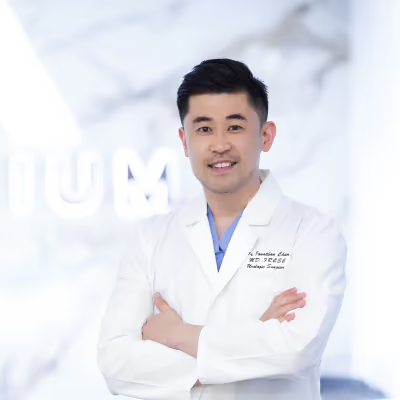
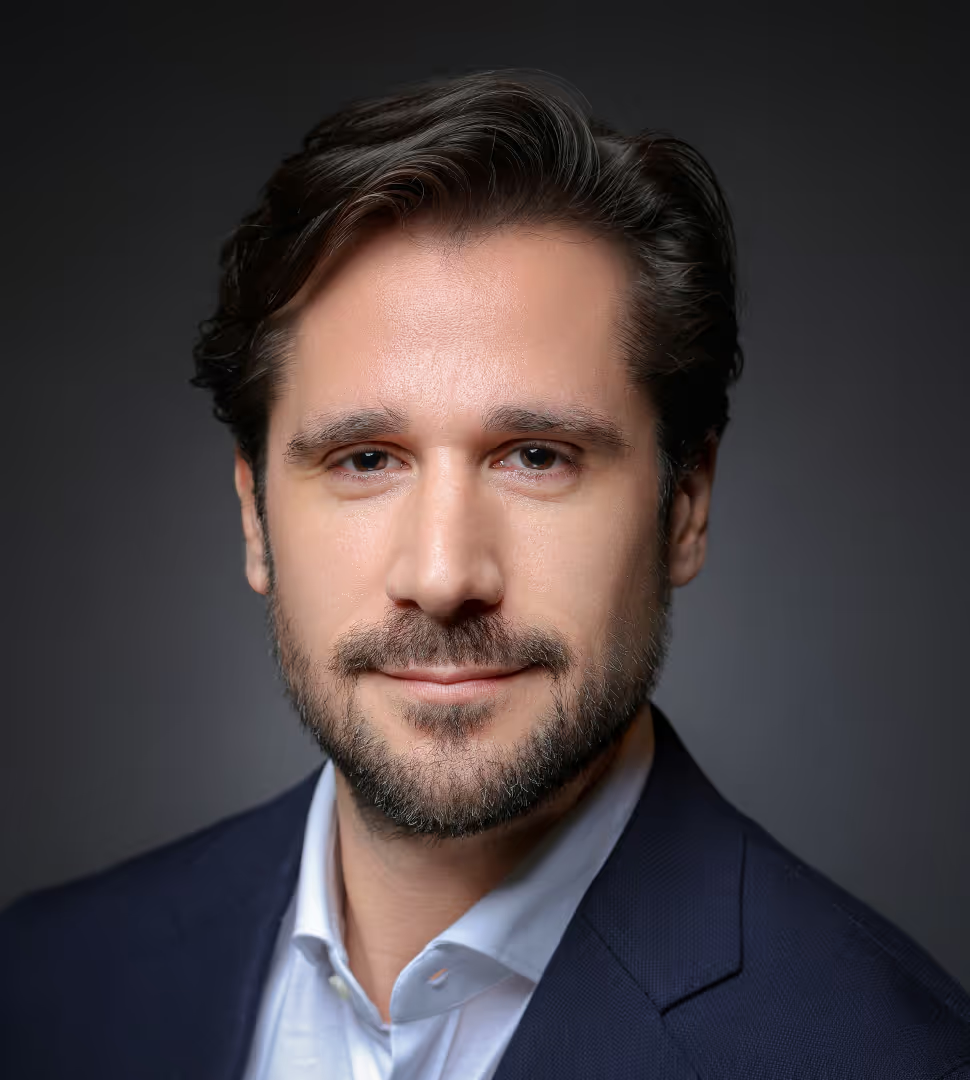
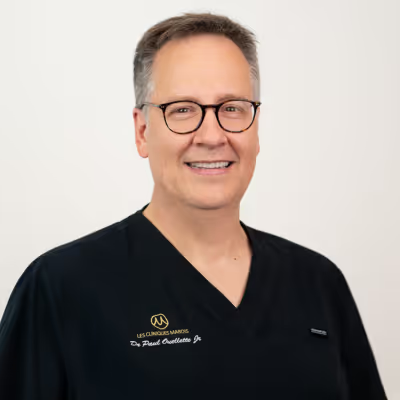
An experienced urologist and urogynaecologist with over 20 years of experience, Dr. Carlson specializes in prostate and pelvic floor procedures while offering general urologist surgery.
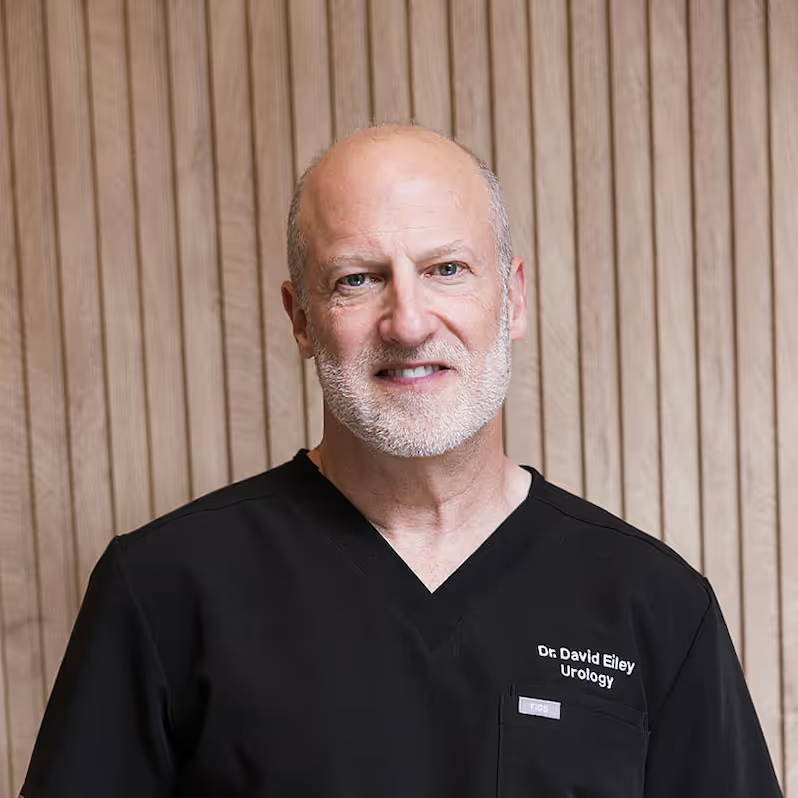
Urologist with 25+ years of experience with prostate disease, kidney stone management, urinary incontinence, erectile dysfunction, bladder & testicular conditions. 10,000+ procedures performed.
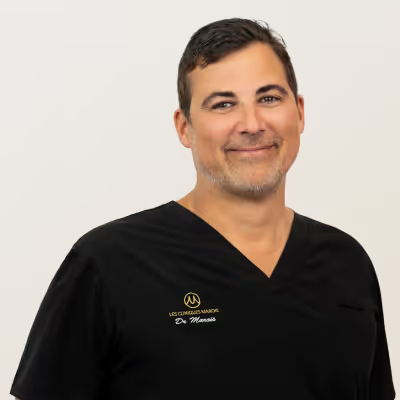
FRCSC-certified urologist with over 25 years of experience in open, endoscopic, and minimally invasive urologic procedures from locations all over Québec.
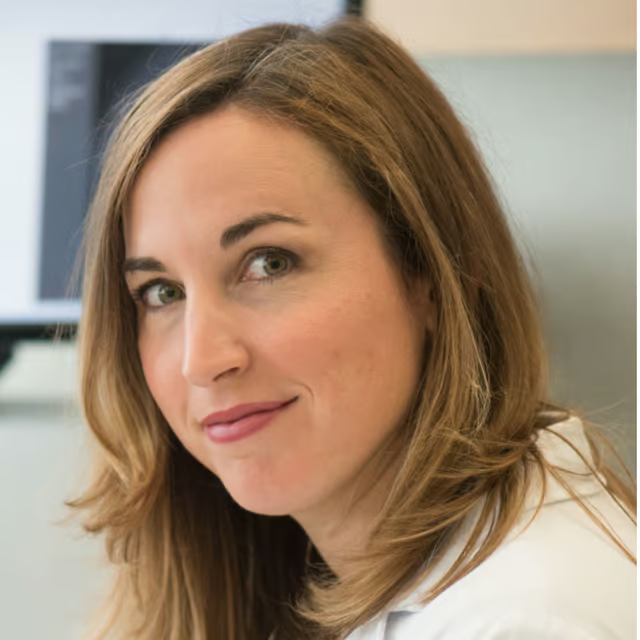
Fellowship-trained urologist specializing in female pelvic medicine and reconstructive surgery with procedural expertise in pelvic organ prolapse, urinary incontinence (male and female), voiding disorders, BPH.
When accessing private care, patients can expect a rigorous standard of safety and professionalism comparable to top Canadian public institutions.
Private prostate procedures are performed in provincially regulated, accredited facilities with the same core expectations around sterilization, anesthesia, and emergency preparedness as public settings. Because operations near the bladder and critical nerves carry specific risks, clinics prioritize strict OR protocols and careful pre-op screening.
You can expect care from fully licensed, board-certified urology surgeons, with experience matched to the specific procedure (e.g., TURP, HoLEP, Rezum, laser ablation). A strong surgeon will clearly explain the approach, expected outcomes for urinary flow, and how your prostate size or history may affect the complexity.
Prostate health impacts daily life heavily—patients typically value a more private, unhurried experience, clear consent conversations, and a defined follow-up plan. Expect explicit guidance on catheter management, bleeding, pain control, and when it’s safe to return to work, exercise, and sex.
Private care tends to be highly schedulable: a clear consult timeline, a firm procedure date, and a straightforward outline of pre-op testing, medication holds, and recovery milestones.