surgency standard mark

The Surgency Standard

We research every surgeon’s training and practice, and verify their credentials, before they can list.

  • Medical degree
  • Canadian licensure
  • Disciplinary record
  • Specialty certification
  • Valid malpractice insurance
  • Provincial licence in good standing

Private hip surgeons in Edmonton, AB

Surgeons listed:
1
Accepting 🇨🇦 residents
Don Dick

Don Dick

MD, FRCSC
Orthopedic Surgeon

Orthopedic surgeon focused on hip and knee replacement. Past president of the Alberta Orthopaedic Society and founding member of the Alberta Bone & Joint Health Institute.

Location
Edmonton, AB
Experience
30+ years
Languages
English
Treats
Adult patients
Focus
Hip & Knee

How requesting a consultation works on Surgency

  1. Contact the provider’s office

    You can reach out without a referral. Intake teams answer questions, share pricing ranges and walk you through next steps.

  2. Get your records ready

    A formal consultation typically needs a referral, plus recent imaging and records. Many clinics can help arrange the referral.

  3. Start with a virtual consultation

    All surgeons listed on Surgency offer virtual consultations, so you don’t need to travel until you and the surgeon have agreed on a plan.

About private care in Edmonton

For patients and caretakers exploring private hip surgery in Edmonton. Browse accredited providers below.

Note: if you live in Alberta, you can only pay privately for surgery in Alberta with a surgeon who has opted out of AHCIP or is approved for dual practice (look for surgeons without the "Private unavailable for Alberta residents" note on their profile). For more hip surgeons, view Vancouver, BC; Calgary, AB; Toronto, ON; Montréal, QC.

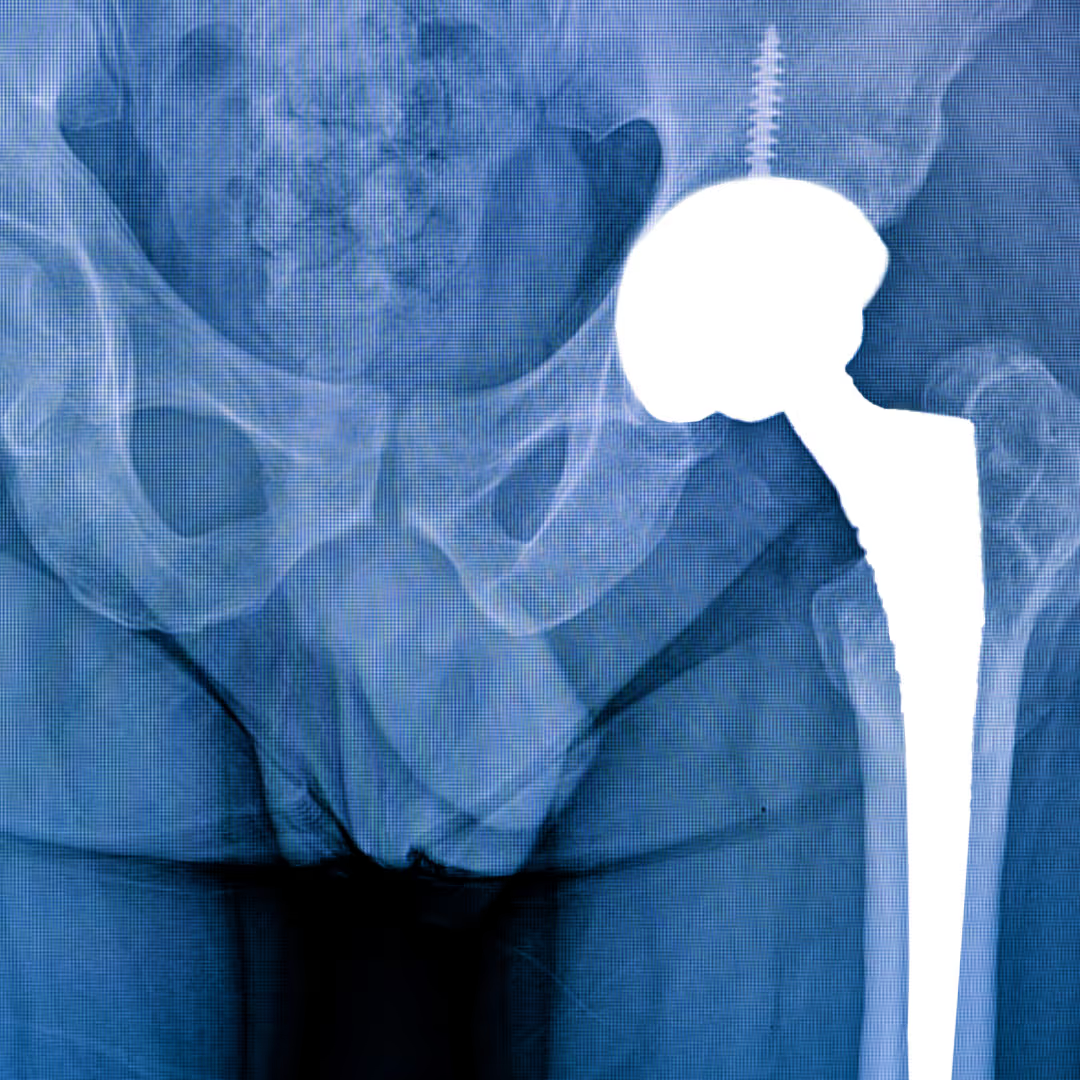
Left hip replacement xray

Public & private context for hip surgery in Edmonton

More than 300,000 surgeries are performed in Alberta each year, including over 8,000 hip replacements. Most hip surgeries are delivered through the publicly funded Alberta Health Care Insurance Plan (AHCIP).

Private hip surgery options in Edmonton are available, but limited for Albertans. So some Albertans choose to pursue private hip surgery out of province when local wait times for replacement, resurfacing, or arthroscopy are not workable.

Current regulations: Medically necessary hip surgery is covered by AHCIP, so Albertans can only pay privately for it in Alberta with a surgeon who has opted out of AHCIP or is approved for dual practice. To find these surgeons, look for profiles without the "Private unavailable for Alberta residents" note. This rule doesn't apply to patients from other provinces.

About dual practice: Alberta's new dual practice option lets approved surgeons stay in the public system while charging patients directly for eligible elective procedures. It's new, so ask a surgeon whether they're approved before you plan around it.

Typical wait times for hip surgery in Edmonton

In Edmonton, there are ~29,000 patients waiting for surgery.

Edmonton zone total wait list chart
via Alberta Surgical Initiative

Of those patients waiting for surgery, 42% are out of target (26 weeks). That means 42% of patients are waiting for a scheduled surgery longer than is clinically recommended by the Alberta Coding Access Targets for Surgery system.

‍

Chart showing wait list status in Edmonton
via Alberta Surgical Initiative

Of those patients waiting for surgery in Edmonton, 44% are out of target (26 weeks). That means 44% of patients are waiting for a scheduled surgery longer than is clinically recommended by the Alberta Coding Access Targets for Surgery system.

Percentile wait times breakdown for hip replacements in Edmonton
via Alberta Surgical Initiative

For hip replacement surgery in Edmonton, wait times vary considerably. The tenth percentile gets surgery within ~1-3 weeks. 50% are seen within ~13-15 weeks. And the 90th percentile are seen within ~27 weeks.

What a hip surgeon treats

Hip surgeons are orthopedic surgeons who specialize in conditions affecting the hip joint—including the bones, cartilage, labrum, tendons, and surrounding soft tissue. The most common reasons people seek hip-specific care include:

  • Hip osteoarthritis—the leading reason for hip replacement in Canada
  • Labral tears and femoroacetabular impingement (FAI)
  • Hip dysplasia (adult and adolescent)
  • Avascular necrosis (AVN) of the femoral head
  • Trochanteric bursitis and gluteal tendinopathy
  • Revision of a previous hip replacement

You may want a hip consult if:

  • Groin or front-of-hip pain persists beyond 6–12 weeks despite physiotherapy
  • You feel catching, clicking, or "giving way" in the hip
  • Pain limits walking, stairs, sleep, or work
  • Imaging (X-ray or MRI) shows arthritis, labral pathology, or FAI
  • You've already tried injections, physio, or activity modification without lasting benefit
  • You want a second opinion on whether surgery is the right next step

Please consult your physician for more guidance.

Frequently asked questions

It depends on the surgeon's status, and whether you are an Albertan resident.

For medically necessary hip surgeries—such as hip replacement, resurfacing, arthroscopy, or revision—Albertans generally cannot pay privately to a surgeon enrolled in the Alberta Health Care Insurance Plan (AHCIP).

That is why some Albertans seeking timely private hip care choose to go out-of-province (typically to Québec or British Columbia).

There are two exceptions within Alberta: a hip surgeon who has formally opted out of AHCIP, or one approved for Alberta's new dual practice option, which lets surgeons stay in the public system while charging patients directly for eligible elective procedures. In either case, you pay the full cost out-of-pocket and can't claim it back from the government. Dual practice is new, so ask a surgeon whether they're approved. To find surgeons who can treat Alberta residents privately, look for profiles without the "Private unavailable for Alberta residents" note.

If you reside outside of Alberta, and are considering travelling to Alberta for hip surgery, then any hip surgeon can treat you.

Curious about aftercare? Read our guide on aftercare when travelling for surgery.

Yes and no—you can reach out to any of the private surgeons listed on Surgency without a referral. Their intake teams are happy to answer questions, explain what they treat, share pricing ranges, and walk you through next steps.

However, to book a formal consultation with the surgeon, you'll typically need a referral from your family doctor or nurse practitioner. Don't have one? Many of the clinics can help coordinate a virtual GP appointment to get the referral paperwork sorted. All surgeons listed on Surgency offer virtual initial consultations, so you don't need to travel until you and the surgeon have agreed on a plan.

Before your consultation, expect the clinic to request relevant medical records and recent diagnostic imaging (X-ray, MRI, CT, ultrasound, lab work, etc.). Having these ready speeds up the process and lets the surgeon give you specific guidance on your very first call.

This is general information, please seek professional tax guidance.

AHCIP does not cover private hip procedures at private clinics (though some exceptions exist for WCB-Alberta (Workers' Compensation) claims or specific inter-provincial programs).

Private insurance

Standard extended health benefits (e.g. Sun Life, Manulife, Alberta Blue Cross) typically do not cover the cost of the surgery itself. However, they often cover related costs such as:

  • Post-op physiotherapy
  • Prescription medications
  • Custom braces or crutches
  • Medical devices (e.g. hip brace, crutches)

Health spending account

If your employer provides a Health Spending Account (HSA) or "flex account," you can often use these funds to pay for the surgery. Unlike standard benefits, HSAs are usually flexible enough to cover CRA-eligible medical expenses, including private facility fees.

Tax Credits (Federal & Provincial)

You may be able to get some financial relief at tax time.

Medical Expense Tax Credit (METC): You can generally claim eligible private surgery fees as a medical expense on your federal tax return. Learn more about the METC here.

Alberta Provincial Credit: Alberta has a parallel medical expense tax credit that can further reduce your provincial tax liability.

Travel costs: Mileage, parking, and accommodation may also be claimable if you travel more than 40 km (for travel expenses) or 80 km (for accommodation and meals) to receive medical services not available near your home.

Please consult a tax professional before claiming any private surgery fees on your taxes.

Surgency is free for patients, funded by surgeons/surgical providers.

Surgeons and providers—who meet our listing criteria—pay a flat fee to list on the Surgency platform. To maintain objectivity, there are no commissions, referral fees, nor any ranking or recommending one surgeon over another.

Surgency is patient-first. Our goal is to make the process of finding a private surgeon as simple as possible. You choose who to contact. Learn more in our Advertising Policy.

Of hip surgeries offered—hip replacement, arthroscopy, revision, resurfacing—costs vary substantially based on the surgeon's expertise, facility fees, anesthesia, and the underlying complexities of your case.

At the low end, for an arthroscopy, costs may range between $20,000 to $28,000. While a total hip replacement ranges between $30,000 to $40,000+. A hip replacement revision could cost well over $50,000. Note: these costs are comparable to Ontario, and higher than Québec.

You will need to reach out to different clinics and request an itemized quote based on your unique circumstances. Ask for the all-in price, and whether pre-op imaging, medications, and physio are bundled.

Private surgeons typically charge a consultation fee because a surgical consult involves clinical work before, during, and after the appointment.

Most consultation costs range between $200 - $400, however they can be up to 10% of the overall surgery costs. In many cases this fee will get rolled into the total cost of the surgery itself—ask the surgeon.

A surgical consultation isn’t a “meet and greet.” It’s a formal medical assessment where the surgeon may:

  • review your imaging (e.g., MRI, X‑rays) and relevant medical records,
  • take a detailed history and perform a physical examination,
  • determine whether surgery is appropriate, and explain alternatives, benefits, and risks.

Private clinics also cover operating costs that public hospitals don’t fund in the same way, including:

  • administrative staff for intake and coordination,
  • facility costs such as rent, utilities, and specialized equipment,
  • technology such as private EMR systems and secure portals for sharing results.

The consultation fee helps support these resources and the infrastructure required to provide timely, organized care outside publicly funded hospital operations.

What is Surgency?

As a family doctor in the public system, I believe transparency is a form of care. I created Surgency to help my patients struggling on long waitlists who wanted to understand all their options for timely medical attention.

Surgency is a free resource designed to empower and educate—helping you understand private pathways and find accredited surgeons within Canada. I hope Surgency brings you clarity.

Dr. Sean Haffey

Credit card mockup

Find a surgeon in Edmonton

Review each surgeon’s credentials and experience, then request a virtual consultation. No commitment to surgery. No referral needed.

View surgeons