
Looking to learn more about a specific elbow procedure? Click "See Procedures" below. If you're interested in speaking with a private surgeon, click "See Surgeons" for a list of accredited elbow surgeons in Canada. You can explore their profiles, and reach out to them directly.

.png)

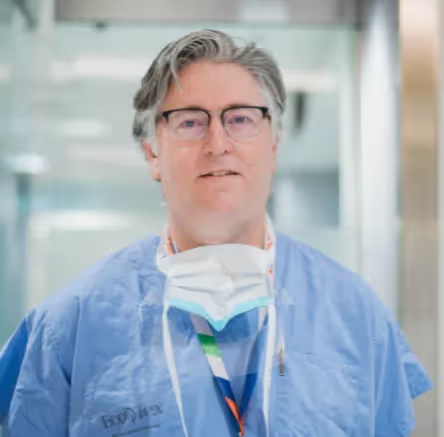
As a family doctor in the public system, I believe transparency is a form of care. I created Surgency to help my patients struggling on long waitlists who wanted to understand all their options for timely medical attention.
Surgency is a free resource designed to empower and educate—helping you understand private pathways and find accredited surgeons within Canada. I hope Surgency brings you clarity.
Dr. Sean Haffey

Learn more about specific elbow surgeries by clicking into our procedure guides below. Each provides an in-depth overview of the surgery process, cost estimates, recovery timelines, how to choose a surgeon, and the risks involved.
It is important to note that healthcare regulations vary by province. Generally speaking, you will need to travel out-of-province for elbow surgery unless you find a surgeon who is 'opted-out' of the public system (you can find them on Surgency, watch for surgeons with the disclaimer "Accepting patients from all provinces").
Note: Ontario doesn't allow surgeons to opt out, so Ontarians must travel for private elbow surgery.
For an in-depth understanding on the private system, see How Does Private Surgery Work in Canada.
The decision to seek private elbow surgery often stems from the need for a second opinion or a desire to arrest the decline of arm function. Long public wait times for arthroscopy or reconstruction can result in permanent stiffness, chronic aching, and a significant inability to perform work duties or enjoy hobbies.
Opting for a Canadian private surgeon guarantees adherence to strict national medical standards. This stands in contrast to the high financial barrier of U.S. care or the variable quality assurance found in medical tourism hubs. With domestic private care, you secure a confirmed timeline without leaving the safety of the Canadian medical system.
Going private is often a practical decision to restore arm function and livelihood. It allows patients to schedule surgery around their lives rather than remaining in limbo, simultaneously freeing up a spot in the public system for someone else.
Surgency is your independent guide—we are not a surgical provider. We link you to resources and a network of out-of-province, accredited clinics and specialized surgeons. Our goal is to empower you with data on costs, surgeon credentials, and logistics, ensuring you make an informed decision for your care.
Elbow surgeries are highly specialized operations accompanied by substantial medical costs. We recommend reviewing expert profiles from all over the country. Going private means choice. Consider speaking with 2 - 4 surgeons to determine who holds the niche technical skills required for your needs and feels best for you.

Triple-fellowship orthopedic surgeon specializing in elbow and shoulder procedures who treats professional athletes and active individuals looking to return to sport safely and quickly.
When accessing private care, patients can expect a rigorous standard of safety and professionalism comparable to the best public institutions.
Safety is the cornerstone of private practice. Clinics must comply with rigorous provincial safety codes and undergo regular independent inspections. These facilities are equipped with hospital-grade technology and adhere to stringent sterilization practices, providing a secure environment for complex upper-extremity procedures.
Elbow surgery requires niche expertise, and Canadian private clinics host some of the best. All surgeons on our platform hold the FRCSC designation (Fellow of the Royal College of Surgeons of Canada). These are highly trained specialists who have dedicated their careers to orthopedic surgery (learn about understanding surgeon qualifications here), often performing specialized elbow repairs that require a high degree of precision.
Clarity is a major advantage of the private system. Instead of navigating a waiting list with no end date, you are given a specific schedule for your operation. You will have direct access to information regarding your procedure and timeline. With wait times typically measured in weeks, you can confidently plan your rehabilitation and return to daily activities.