

Key takeaways
- Most private surgical clinics in Canada include initial post-operative follow-ups in their surgical fee, with many offering virtual check-ins so you can return home sooner.
- Before travelling for private surgery, confirm exactly how many follow-up visits are included, which can be done virtually, and what the protocol is for after-hours complications.
- Your home-province family doctor can manage ongoing recovery care, but only if you arrange for operative notes, medication lists, and rehab plans to be transferred before you leave the surgical centre.
- Recovery timelines and travel restrictions vary significantly by surgery type. Orthopedic patients may need 3 to 7 days before flying, while minor procedures may allow same-day travel.
Why aftercare is different when you travel for private surgery
The Canadian healthcare system is highly regionalized. Each province manages its own health records, specialist referrals, and post-operative protocols. When you step outside of your home province to access a private surgical clinic, your medical data does not automatically follow you back home. This disconnect is the primary reason why out of province surgery aftercare requires proactive coordination.
If you live in Nova Scotia but travel to a clinic in Alberta for a knee replacement, your local family doctor will not receive an automatic update when you are discharged. Without a clear handover, your local healthcare providers will lack the context they need to monitor your incision, manage your pain medication, or authorize your return to work.
Surgery recovery travel introduces physical challenges. Sitting in a car or an airplane shortly after a major procedure increases the risk of blood clots, stiffness, and extreme fatigue. You cannot simply leave the recovery room and head straight to the airport. You must factor in a buffer period where you stay close to the surgical facility. This ensures your surgeon can clear you for travel and manage any immediate post-operative concerns before you cross provincial borders.
Understanding how private surgery works in Canada means recognizing that your relationship with the private clinic does not end in the operating room. It transitions into a collaborative effort between your private surgeon, your local family doctor, and yourself.

What private surgical clinics typically include in aftercare
One of the biggest misconceptions about private surgery recovery is that you are entirely on your own once you pay the bill. In reality, reputable private clinics maintain strict standards for post-operative care. They want you to have a successful outcome just as much as you do.
While offerings vary by provider, you can generally expect a structured aftercare program to be bundled into your initial quote.
Immediate post-op care (day of surgery)
Your aftercare begins the moment you wake up.
Depending on the complexity of your procedure, you will spend anywhere from a few hours to a few days in the clinic's dedicated recovery wing. During this time, nursing staff will monitor your vital signs, manage your acute pain, and ensure you can eat, drink, and use the washroom safely.
For major orthopedic or spine surgeries, a physical therapist will visit your bedside to help you stand and take your first steps. You will not be discharged to your hotel or rental accommodation until the medical team is confident you are medically stable.
Follow-up appointments and virtual check-ins
Most comprehensive surgical packages include a series of follow-up appointments. Traditionally, these occur at the one-week, two-week, and six-week marks.
Because private clinics frequently treat travelling patients, they have adapted their follow-up models. Your first post-operative check is usually done in person a few days after surgery, right before you travel home. Subsequent appointments are routinely conducted virtually via secure video calls.
During these virtual check-ins, your surgeon will ask you to show your incision on camera, discuss your pain levels, and review your mobility progress. Clinics also provide a dedicated after-hours phone number so you can reach a nurse or on-call physician if you experience concerning symptoms at night.
Is virtual care even effective?
In a macro study of 17 studies on the efficacy of telehealth, researchers found telemedicine just as effective (if not more effective) to in-person visits for managing post-operative pain; improving mobility gains; reducing opioid dependence, and detecting issues.

What's usually not included
While your surgical fee covers the direct medical follow-up, there are aspects of recovery that fall outside the clinic's scope.
You will need to budget separately for:
- out-patient physiotherapy,
- prescription medications filled at your local pharmacy,
- specialized medical equipment like crutches or shower chairs.
If you are putting together a budget on costs, it is vital to factor in these secondary expenses. Long-term home care nursing or personal support workers are also not included in your surgical package. You may need to arrange these services privately in your home town if you do not have a family member available to assist you.
For a more in-depth look on private surgical costs in Canada, read our Cost Guide.
How to set up aftercare before you travel
The secret to a seamless recovery is setting up your local support system before you ever pack your bags. Waiting until you return home to find a physical therapist or book a doctor's appointment will cause unnecessary delays in your healing process.
Coordinating with your family doctor back home
Your family physician is the anchor of your long-term private surgery recovery. Before you leave, schedule an appointment with them to explain your surgical plans.
Ensure they are willing to take over your routine care once you return. Some family doctors may feel hesitant to manage a patient who had surgery outside the province because of the loss of informational continuity, which is why it is imperative to coordinate the right documentation beforehand.
You must ask your private surgical team to provide you with your operative notes before you travel home. Operative notes are detailed medical reports written by your surgeon immediately after the procedure, outlining exactly what was done, the type of hardware used, and any specific post-operative instructions.
Handing these notes to your family doctor bridges the communication gap and allows them to care for you confidently.
What about the ethical considerations of public followup care after private surgery?
If you are on a long wait list already, then you were going to need surgical followup care regardless.
The pre-surgery aftercare checklist
To ensure nothing falls through the cracks, use this checklist in the weeks leading up to your departure.
- Book your local physio:
- Secure your first local physiotherapy appointment for the week you return. Good clinics have waitlists, so do not delay this step.
- Identify your travel companion:
- For major surgeries, you should have a capable adult travel with you. They will need to carry your luggage, help you navigate the airport, and assist with medications.
- If you don't have family or friends who can support you during this time, you can enlist the help of a medical travel service:
- Tuktu (BC and ON)
- Nurse Next Door
- Request a medication plan:
- Ask the private clinic if they will issue your prescriptions before you leave their province. Sometimes, out-of-province prescriptions are difficult to fill, so it is safer to have your local family doctor transcribe them if necessary.
- Prepare your home:
- Remove tripping hazards, set up a sleeping area on the main floor if stairs will be an issue, and pre-cook meals.
- Book accommodations post-surgery:
- Depending on your surgery, you may need to stay several nights in the same city to recover. Many clinics have partner accommodations who they can refer you to.
- An alternative option is to book a Respite Stay or Convalescent Care at a private retirement residence. You pay a daily rate for meals and access to nursing staff.

Recovery timelines and travel restrictions by surgery type
No two surgeries are exactly alike, and your travel timeline will depend heavily on the physical toll of your specific procedure.
The primary concern with flying or taking long car rides soon after surgery is the risk of Deep Vein Thrombosis (DVT), which are blood clots that form in the legs. Immobility, combined with the trauma of surgery, makes travelling prematurely dangerous.
Below is a general reference table outlining estimated minimum stays near the clinic before you are cleared to travel home. Always defer to your surgeon's specific advice.
For specific, in-depth guides on recovery timelines and how to prepare for specific procedures, visit the relevant procedure guide.
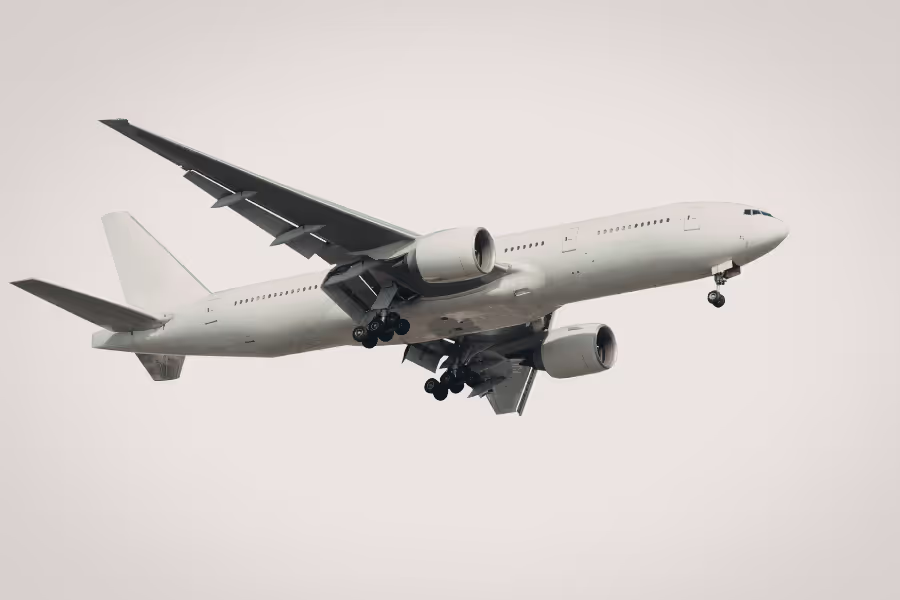
Recovery timeline comparison table
Orthopedic surgery (joint replacements, ligament repairs)
Orthopedic procedures like hip and knee replacements are highly invasive. You should expect to stay in a hotel near the surgical centre for 3 to 7 days.
Your surgeon will want to monitor the incision for early signs of infection and ensure you can walk safely with a mobility aid. During your flight or drive home, you must get up and walk every hour to prevent blood clots.
Spine surgery
Spinal fusions, disc replacements, and laminectomies require cautious aftercare. Sitting in an airplane seat or a bumpy car puts direct downward pressure on your healing spine.
Surgeons generally recommend staying near the clinic for 5 to 10 days. You will need a travel companion to manage absolutely all of your luggage, as bending and lifting will be strictly forbidden.
Chirurgie générale
Hernia repairs and gallbladder removals are frequently performed laparoscopically, meaning the incisions are small and the recovery is much faster.
Patients can often travel home within 1 to 3 days. However, your core muscles will be incredibly tender. You will likely rely on virtual follow-ups for your ongoing post surgery follow up care.
ENT, urology, and gynecology Procedures
For Ear, Nose, and Throat surgeries, the main barrier to travel is airplane cabin pressure, which can cause severe pain or bleeding in healing sinus or ear cavities. Urology and gynecology patients generally need 2 to 4+ days of local rest to ensure there is no abnormal bleeding or complications with bladder function before embarking on surgery recovery travel.
Bariatric surgery
Weight loss surgeries alter your digestive tract. The first few days are critical for monitoring your ability to swallow liquids without nausea or blockages.
You will typically stay near the clinic for 3 to 5 days. Your aftercare relies heavily on a strict, progressive diet plan, and your virtual follow-ups will focus heavily on your nutritional intake and hydration.
Cosmetic surgery
Procedures like tummy tucks or breast augmentations often involve surgical drains to remove excess fluid.
Surgeons strongly prefer patients to stay locally for 4 to 7 days until these drains can be safely removed in the clinic. Flying with active surgical drains is highly uncomfortable and generally discouraged.
Managing complications or concerns after you return home
Even with the best preparation, the human body is unpredictable. The key is knowing how to differentiate between normal healing and a medical emergency.
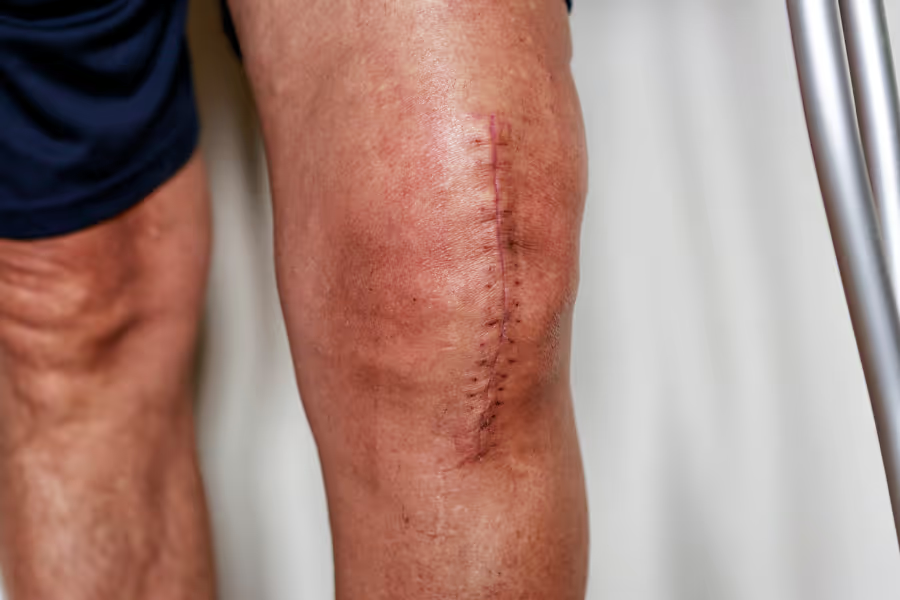
Your private surgical team remains your primary resource for post-operative advice. If you have questions about your pain medication, the appearance of your scar, or your physiotherapy milestones, you should call the clinic's support line. They are used to managing out of province surgery aftercare and can usually assess minor concerns over a video call.
However, if you experience red flag symptoms, you must bypass the private clinic and go directly to your local emergency room. Red flags include a sudden high fever, uncontrollable bleeding, shortness of breath, chest pain, or intense, sudden swelling in your calf muscle.
The Canadian public system will never deny you emergency care simply because your initial surgery was performed privately. The local ER doctors will stabilize you and, if necessary, consult directly with your private surgeon to coordinate the next steps.
What to ask your surgeon about aftercare before booking
Empowerment comes from asking the right questions before you hand over a deposit. During your initial consultation, dedicate a portion of the conversation strictly to the topic of private surgery recovery.
- How many follow-up appointments are included in my surgical fee?
- How many days must I stay in your city before I am medically cleared to fly or drive home?
- Which of my follow-up visits can be done virtually via video call?
- Do you provide a 24/7 direct contact number for post-operative emergencies?
- Will you provide my local family doctor with my operative notes and a transfer of care letter upon discharge?
Foire aux questions
Can my family doctor handle follow-up care after private surgery in another province?
Yes, your local family doctor can absolutely manage your routine follow-up care. They will need your private surgeon to send over your operative notes and a clear discharge summary so they understand exactly what was done and what to monitor.
If you are already on a surgical waitlist for surgery, then you were going to need followup care regardless.
How long do I need to stay near the clinic after surgery before I can fly home?
The required stay varies wildly based on the procedure you undergo. Minor surgeries may allow you to travel within 24 to 48 hours, whereas major orthopedic or spinal procedures typically require a local stay of 5 to 10 days to monitor for blood clots and mobility issues.
What happens if I have complications after returning to my home province?
For minor concerns, you will contact your private surgeon's clinic for a virtual assessment or medication adjustment.
For acute medical emergencies like severe shortness of breath or suspected infection, you must go to your local public emergency room for immediate treatment.
Are follow-up appointments after private surgery included in the cost?
Most private clinics include standard follow-up appointments in their upfront surgical package quote. It is crucial to confirm exactly how many visits are included and whether you will be charged extra if you require additional consultations down the road.
Can I do post-surgery follow-ups virtually with my private surgeon?
Yes, the vast majority of private surgical clinics now offer virtual follow-up appointments. After your initial in-person clearance to travel home, your surgeon will use secure video calls to check your incisions, review your mobility, and answer your questions. Virtual care has been found to be just as effective as in-person followup care.