


.png)
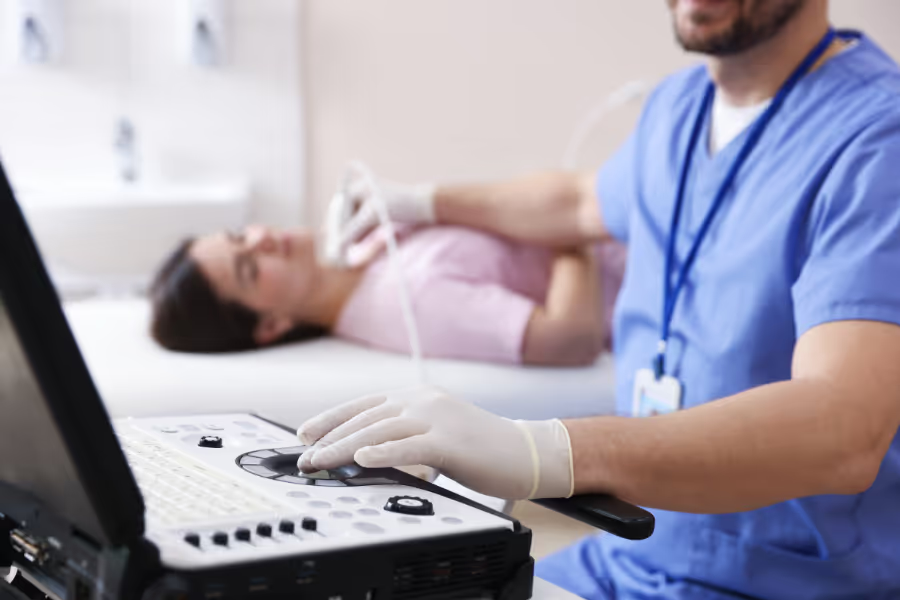

What is a ultrasound?
An ultrasound (sonography) is a scan that uses high-frequency sound waves to create real-time images of the inside of your body—without radiation.
It’s especially useful for looking at organs (like the liver, gallbladder, kidneys), pelvic structures (uterus/ovaries, prostate), soft tissue lumps, and blood flow (Doppler ultrasound).
A private ultrasound means you book the scan at an accredited, fee-for-service imaging clinic instead of waiting for a publicly funded appointment. The test itself is the same—what changes is usually speed, scheduling, and appointment clarity.
How much does a private ultrasound cost in Canada?
How we estimate surgical costs: Ranges are estimates drawn from our network of 100+ private clinics and surgeons, and they're intentionally broad. Two people seeking the same procedure can receive very different quotes depending on province, surgeon, facility fees, and case complexity. Published prices aren't always comparable either—some are complete bundles, others exclude consultation, imaging, or follow-up. Only the clinic can give you an exact, itemized quote.
Costs vary by body part, whether Doppler is included, and the clinic location.
Typical private ranges:
- $250–$450 for a single-region ultrasound
- $450–$1,000+ if Doppler or multiple regions are included
Price is impacted by:
- Single area vs multiple areas (e.g., abdomen + pelvis)
- Doppler (blood flow assessment adds time and complexity)
- Specialized studies (e.g., detailed vascular mapping)
Tip: ask if the fee includes the radiologist report and how quickly it’s delivered.
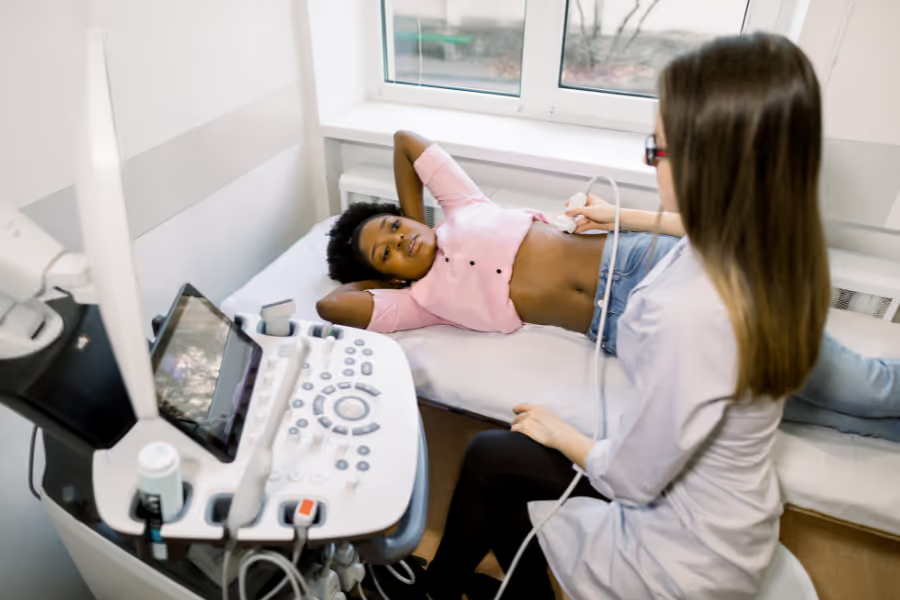
What does an ultrasound help diagnose?
Ultrasound is often the first-line imaging test for many common concerns, including:
Abdomen
- Gallstones and gallbladder inflammation
- Liver and kidney cysts or masses
- Kidney stones (sometimes), hydronephrosis
- Abdominal fluid (ascites)
Pelvis
- Fibroids, ovarian cysts, pelvic masses
- Endometrial thickening, abnormal bleeding workup
- Prostate size estimates (in some cases)
Soft tissue and lumps
- Breast lumps (often paired with mammogram)
- Thyroid nodules
- Lumps in the arm/leg, cyst vs solid mass
Blood flow (Doppler ultrasound)
- Blood clots (DVT) in the legs
- Varicose veins and venous reflux studies
- Blood flow problems in arteries (selected cases)
Pregnancy
- Dating/viability scans, fetal anatomy screening
- Placenta location, fetal growth monitoring
What is Surgency?
As a family doctor in the public system, I believe transparency is a form of care. I created Surgency to help my patients struggling on long waitlists who wanted to understand all their options for timely medical attention.
Surgency is a free resource designed to empower and educate—helping you understand private pathways and find accredited surgeons within Canada. I hope Surgency brings you clarity.
Dr. Sean Haffey

Why do Canadians choose to get ultrasounds done privately?
Canadians might consider a private ultrasound when public wait times delay diagnosis and symptoms—abdominal pain, pelvic pain, swelling, a new lump, or pregnancy concerns—need answers sooner. Waiting can mean prolonged discomfort, anxiety, delayed treatment, and more time away from work, school, travel, or family responsibilities.
Private ultrasound offers faster access to accredited Canadian imaging clinics with clearer timelines—often within days. For many people, choosing private imaging is about getting answers early and moving forward with a plan, while putting less strain on the public healthcare system.
Choosing a clinic
Choosing the right imaging centre matters for scan quality, safety, and how quickly you get results.
What to look for
Accreditation and equipment quality
- Accreditation (provincial requirements like DAP in BC, CPSA in AB, Accreditation Canada, and/or recognized accreditation bodies)
- Experienced sonographers and board-certified radiologists reading the scan
- Clear report turnaround times (often 24–72 hours)
- Transparent pricing (including Doppler, extra views, copies of images)
Questions to ask
- Is a referral required? If so, can the centre help coordinate?
- How soon can I be scanned?
- When will the report be ready—and who receives it?
- Will a radiologist be onsite or reading remotely?
- Is Doppler included if needed?
If you're currently interested in private surgical pathways within Canada, you can click here for a list of providers.

Frequently asked questions
How do I know if I should get an ultrasound scan?
Ultrasound is a good fit if
- Your symptoms involve abdomen/pelvis, a new lump, or swelling
- You need an imaging test that is radiation-free
- Your doctor wants a fast, accessible first step before CT/MRI
Ultrasound may not be enough when
- The area is hard to see with sound waves (e.g., deep structures, bowel gas)
- You need detailed imaging of bones, lungs, or complex internal anatomy
- Your doctor suspects something that’s better evaluated with CT or MRI
Do I need a referral?
Yes and no—you can reach out to any of the private surgeons listed on Surgency without a referral. Their intake teams are happy to answer questions, explain what they treat, share pricing ranges, and walk you through next steps.
However, to book a formal consultation with the surgeon, you'll typically need a referral from your family doctor or nurse practitioner. Don't have one? Many of the clinics can help coordinate a virtual GP appointment to get the referral paperwork sorted. All surgeons listed on Surgency offer virtual initial consultations, so you don't need to travel until you and the surgeon have agreed on a plan.
Before your consultation, expect the clinic to request relevant medical records and recent diagnostic imaging (X-ray, MRI, CT, ultrasound, lab work, etc.). Having these ready speeds up the process and lets the surgeon give you specific guidance on your very first call.
What happens after the ultrasound?
A radiologist reviews the images and writes a report. The report is sent to your referring provider (and often shared with you on request). Next steps depend on results:
- Normal: you and your doctor may monitor symptoms or pursue other causes
- Clear finding (e.g., gallstones, cyst): treatment plan or referral
- Unclear finding: follow-up imaging (CT/MRI), repeat ultrasound, or specialist consult
How much does Surgency cost?
Surgency is free for patients, funded for by surgeons.
Surgeons—who meet our listing criteria—pay a flat fee to list on the Surgency platform. To maintain objectivity, there are no commissions, referral fees, nor any ranking or recommending one surgeon over another.
Surgency is patient-first. Our goal is to make the process of finding a private surgeon as simple as possible. You choose who to contact. Learn more in our Advertising Policy.
What are the risks involved with ultrasounds?
Ultrasound is considered safe:
- No radiation
- Generally painless (pressure can be uncomfortable if the area is tender)
- Very low risk overall
Potential minor issues:
- Discomfort from probe pressure
- Mild discomfort during transvaginal ultrasound
How do I prepare for an ultrasound scan?
Preparation depends on the type of ultrasound:
Abdomen ultrasound
- Often requires fasting for 6–8 hours (improves gallbladder and liver visibility)
- Water may be allowed—follow clinic instructions
Pelvic ultrasound (especially transabdominal)
- You may need a full bladder (drink water beforehand)
Transvaginal ultrasound
- Usually no full bladder needed
- A probe is used internally for clearer pelvic images
Thyroid / soft tissue / limb ultrasound
- Usually no special prep
Bring:
- Your requisition (if required)
- Any prior imaging reports (helpful for comparison)
- A list of symptoms and where the pain/lump is located
I still have questions
If you still have questions, then feel free to contact us directly.

.avif)