
.png)
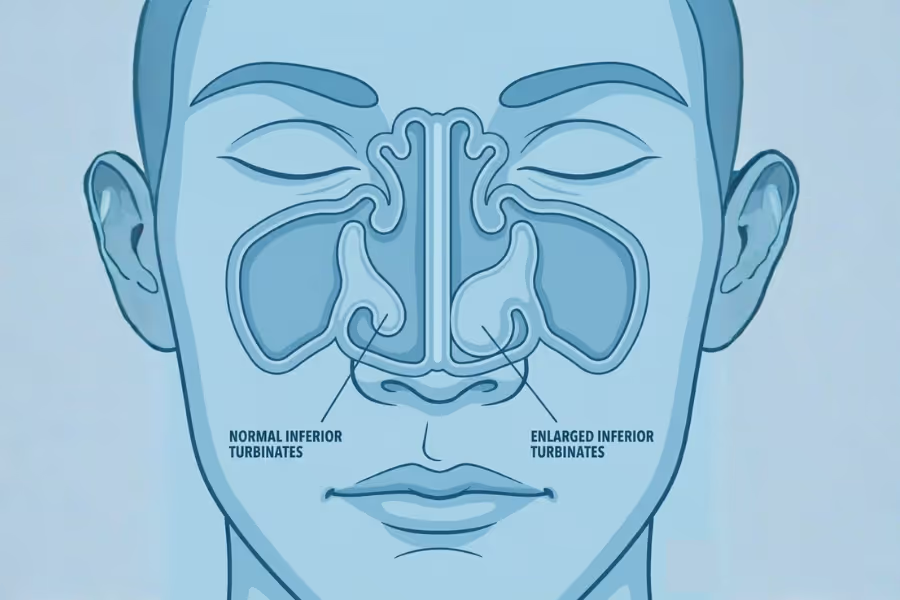

What is turbinate reduction?
Turbinate reduction is a procedure for the nose that improves breathing by shrinking the inferior turbinates—soft, fleshy ridges along the sidewalls of your nasal cavity that warm, filter, and humidify the air you breathe.
Think of your turbinates like the air filters in a car. They are highly sensitive and do an important job. However, if they become chronically irritated by allergies, dust, or non-allergic rhinitis, they swell up like balloons. When these "filters" get too big, they block the nasal passage. This causes chronic congestion, mouth breathing, snoring, poor sleep, and an inability to use a CPAP machine for sleep apnea.
What actually happens
Surgeons use several methods to shrink the tissue while carefully preserving the outer lining (mucosa) so your nose doesn't become too dry.
- Turbinate Coblation (Cold ablation): This is one of the most popular and advanced techniques. The surgeon uses a specialized wand that combines radiofrequency energy and saline to gently dissolve the excess tissue inside the turbinate at a very low temperature. Because it uses low heat, it minimizes damage to surrounding healthy tissue and speeds up recovery.
- Submucosal Resection (Tissue removal): The surgeon makes a tiny hidden incision and shaves out the bulky tissue and bone from the inside of the turbinate, like taking the stuffing out of a pillow.
- Outfracture: The surgeon gently pushes the turbinate bone outward, creating a wider central pathway for air to flow.
Why do it? When months of steroid nasal sprays and allergy pills fail to shrink the swelling, turbinate reduction physically opens the airway. This allows you to breathe comfortably through your nose, improving your sleep, exercise stamina, and overall quality of life.
How much does turbinate reduction and coblation cost in Canada?
How we estimate surgical costs: Ranges are estimates drawn from our network of 100+ private clinics and surgeons, and they're intentionally broad. Two people seeking the same procedure can receive very different quotes depending on province, surgeon, facility fees, and case complexity. Published prices aren't always comparable either—some are complete bundles, others exclude consultation, imaging, or follow-up. Only the clinic can give you an exact, itemized quote.
Exact prices depend on whether it’s done in‑office vs in an operating room, what technique is used (coblation/radiofrequency vs surgical reduction), and whether it’s combined with septoplasty or sinus surgery. Always ask for a written, itemized quote.
Cost in Canada (private)
Typical range: $3,000 - $9,000+
Note: Pricing is often higher if done under general anaesthesia or bundled with septoplasty.
Cost in the United States
Typical range: $4,000 - $10,000+
What’s usually included
- surgeon fee and anaesthesia (if used)
- facility/procedure room fees
- standard equipment and disposables (including coblation supplies if included)
- basic endoscopy and medications used during the procedure
- recovery room care and early follow‑up visit(s)
What’s often not included
- initial consult and pre‑op testing (endoscopy, imaging, allergy work‑up)
- prescriptions (pain relief, saline, sprays)
- combined procedures (septoplasty, sinus surgery, polyp removal)
- travel and accommodation
Tips to compare quotes
Ask if it’s a global bundle and request line items for: surgeon, facility, anaesthesia, technique/device costs (including coblation), follow‑ups, and what triggers extra charges (adding septoplasty, extra OR time).

What to expect from the surgery process
Typical turbinate reduction (including coblation cases) often takes about 20–60 minutes of operating time. Add time at the centre for check‑in, anaesthesia, and recovery (usually a few extra hours). Combined procedures (like septoplasty) take longer.
Basic steps
1. Check‑in and confirmation
You meet the team, review symptoms, confirm the plan (turbinate reduction ± septoplasty), and complete safety checks.
2. Anaesthesia
Depending on your clinic and complexity:
- local anaesthetic (numbing spray/injections) with or without sedation, or
- general anaesthesia (fully asleep), especially if combined with septoplasty or other procedures
3. Position and prep
You lie on your back. The nose is numbed and prepared. Medications may be used to reduce bleeding.
4. Endoscopic access
The surgeon works through the nostrils using a small camera (endoscope). No external cuts.
5. Coblation turbinate reduction (or other planned method)
If coblation is used, the surgeon inserts the coblation wand into or along the turbinate tissue and applies controlled energy to shrink it. The lining is preserved as much as possible.
The surgeon may also perform an outfracture to increase space further.
6. Final check and packing (if needed)
Bleeding is controlled. Some surgeons use:
- dissolvable packing, or
- light internal dressings
(Heavy packing is less common than it used to be, but practices vary.)
7. Recovery and discharge
You wake up in the recovery area, get written instructions (saline rinses, activity limits), and go home the same day.
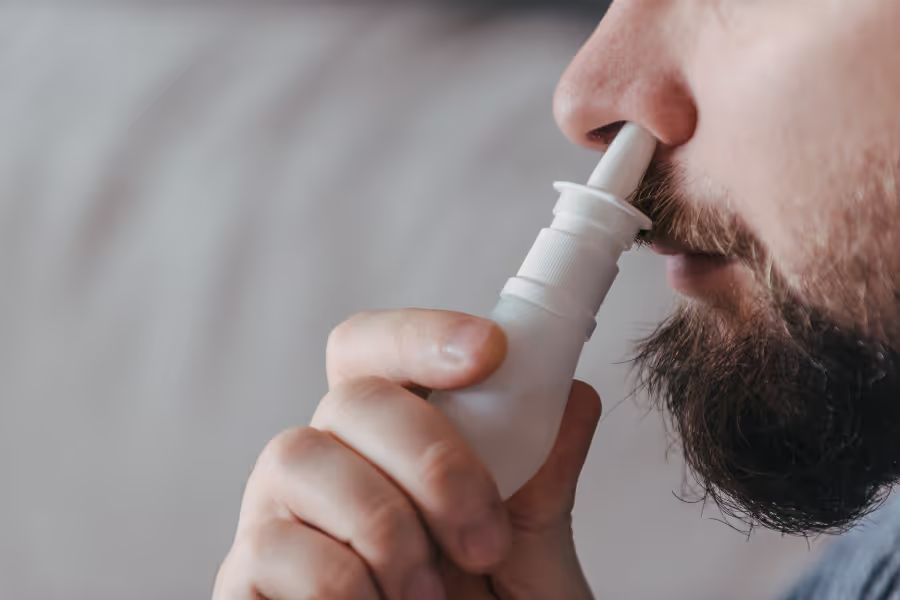
What to expect from the recovery process
Every nose is different—follow your surgeon’s plan. Many people expect instant relief, but congestion often gets worse briefly due to swelling.
Week 1
Reality check: Congestion, crusting, and blood‑tinged mucus are common. Mild nosebleeds can happen.
Goals: Reduce swelling, prevent bleeding, and keep the nose clean.
Activities: Rest, short walks, sleep with your head elevated. Use saline sprays/rinses as directed. Avoid heavy lifting, hot yoga/saunas, bending over, and nose blowing (often for 1 week).
Weeks 2–4
Still annoying but improving.
Goals: Less crusting and steadier airflow.
Activities: Continue saline rinses. Some clinics perform a gentle in‑office clean‑out (debridement) if crusts are significant. Many people are back to normal school/desk work quickly.
Weeks 5–8
The work phase.
Goals: Stable nasal breathing, fewer flare‑ups.
Activities: Gradual return to full exercise if cleared. Continue allergy control if allergies are a driver—surgery creates space, but allergens can still cause swelling.
Months 2–3
Most healing is complete and the final breathing result is clearer.
Helpful tips
- Use saline consistently: It reduces crusting and improves comfort.
- Don’t pick crusts: It can trigger bleeding.
- Expect some “up and down” days: Swelling can fluctuate with weather, allergies, and colds.
Red flags—call your care team
- heavy bleeding that won’t stop
- fever or worsening facial pain
- foul-smelling discharge
- chest pain, shortness of breath, or a painful swollen calf
What is Surgency?
As a family doctor in the public system, I believe transparency is a form of care. I created Surgency to help my patients struggling on long waitlists who wanted to understand all their options for timely medical attention.
Surgency is a free resource designed to empower and educate—helping you understand private pathways and find accredited surgeons within Canada. I hope Surgency brings you clarity.
Dr. Sean Haffey

Why do Canadians get this surgery done privately?
Shorter wait times
Public waitlists for an ENT (Ear, Nose, and Throat) consult and operating room time can take over a year—especially because nasal congestion is rarely considered a medical emergency. Private centres can often line up an assessment and surgery in weeks rather than months, cutting time spent struggling to sleep, breathing through your mouth, and relying on temporary nasal sprays.
Choice and control
Going private can let you:
- Pick your surgeon based on their nasal airway and sinus experience.
- Schedule around work, school, or travel.
- Get a clear plan for what specific technique is best for you (e.g., in-office turbinate coblation vs. a surgical reduction combined with a septoplasty).
Peace of mind
You know exactly who is operating and what technology they will use. Predictable dates make it easier to arrange a few days off work while you manage the initial post-op congestion.
Preventing further decline
- Sleep and energy: Chronic mouth-breathing ruins sleep architecture. Faster relief protects your mood, focus, and energy levels.
- CPAP compliance: If you have sleep apnea, you cannot use a CPAP machine effectively with a blocked nose. Opening the airway makes life-saving CPAP therapy tolerable.
- Dental health: Years of mouth-breathing dries out the mouth, significantly increasing the risk of cavities and gum disease.
Integrated care
Private pathways offer streamlined imaging (like CT scans), advanced surgical tools (like coblation wands), and thorough follow-up care to ensure your nose heals correctly without excessive crusting or scarring.
How to choose a surgeon and clinic
Choosing your surgeon is a major benefit of pursuing private surgery. Here’s how to choose wisely for turbinate reduction and turbinate coblation.
What to look for
Experience and volume (nasal airway–specific)
Ask how often they perform nasal airway surgery, not just “general ENT.”
Good questions:
- How many turbinate reductions do you perform each year?
- How many are done using coblation vs other methods (radiofrequency, cautery, submucosal resection)?
- How often do you combine turbinate reduction with septoplasty (and how do you decide when septoplasty is needed)?
Nasal airway work can be “precision-dependent” because outcomes rely on:
- correct diagnosis (turbinate hypertrophy vs septal deviation vs nasal valve collapse vs polyps)
- technique (shrinking tissue while preserving the mucosal lining)
- avoiding over-resection (which can cause dryness or “too open but still blocked” sensations)
Credentials and training
- Verify licensure with your provincial college (CPSO Ontario, CPSBC BC, CPSA Alberta, CMQ Québec, etc.).
- Look for a Royal College–certified ENT: FRCSC Otolaryngology–Head & Neck Surgery.
- Bonus (not required): fellowship focus in rhinology (nose/sinus), participation in ENT societies, or published outcomes in nasal surgery.
For a more in-depth guide read, How to Understand Surgeon Credentials in Canada
Outcomes and safety (ask for real numbers)
Request recent data, ideally for turbinate reduction specifically:
- Infection rate
- Post-op bleeding / epistaxis rate (and how often it needs packing, cautery, or ER care)
- Crusting and prolonged congestion rates (how common, how long it lasts, and how they manage it)
- Revision rate (repeat turbinate procedure or additional nasal surgery) and typical reasons
- Dryness/atrophic symptoms (rare, but important to discuss)
- Patient-reported outcomes: typical improvement in nasal breathing, sleep, snoring, and quality of life
Also ask how they define success:
- “More open on exam” isn’t enough—your goal is noticeably better daily breathing.
Clear indications and alternatives
Make sure they confirm you’re a good candidate—not just “able to pay for it.”
A careful surgeon should explicitly assess:
- whether your blockage is mainly turbinate swelling vs a deviated septum
- whether you have nasal valve collapse (a common reason people still feel blocked even after turbinate work)
- whether you have polyps or chronic sinus disease that needs different treatment (e.g., polypectomy/FESS)
- whether you’ve truly had a fair trial of medical care (proper use of steroid sprays, allergy management)
They should compare surgery to:
- continued medical therapy (if you’re still improving)
- septoplasty (if a deviated septum is the main issue)
- allergy treatment (including immunotherapy) if allergies drive most symptoms
Surgical plan and technique strategy (including coblation details)
Ask:
- Which turbinates are being treated (usually inferior turbinates)?
- Are you reducing just soft tissue, bone, or both?
- Will you do outfracture as well?
- If using coblation, where exactly will the coblation be applied (inside the turbinate vs surface), and what’s the expected recovery profile?
- Will any tissue be removed, or is it shrink-only?
- What is your plan to avoid over-reduction (too much tissue removed)?
Assessment and planning (must be thorough)
High-quality programs usually include:
- Nasal endoscopy (a small camera in the nose) to confirm the cause of blockage
- Consideration of allergy history and triggers
- Sometimes imaging (e.g., CT) if sinus disease is suspected, but imaging is not always needed for isolated turbinate hypertrophy
Confirm the findings match:
- your symptoms (one-sided vs both sides, night vs day, exercise limits)
- what you’ve tried (and for how long)
Facility accreditation and safety systems
Choose accredited centres (e.g., Accreditation Canada or other recognized surgical facility standards) with:
- experienced anaesthesia support (if sedation or general anaesthesia is used)
- a clear bleeding management plan
- appropriate monitoring and discharge criteria
- a defined transfer pathway to hospital if needed
After-care integration (this matters more than people think)
You want a written plan for:
- saline spray vs saline rinses, and how often
- nose-blowing restrictions, exercise restrictions, and when to return to work/school
- follow-up schedule (and whether they do in-office cleaning/debridement if needed)
- ongoing allergy management (surgery creates space; allergies can still cause swelling)
Transparent pricing (techniques can change cost)
Request an itemized quote including:
- surgeon fee
- facility/procedure room or OR fees
- anaesthesia (if used)
- device/technique fee (including coblation supplies, if billed separately)
- packing/splints (if used)
- follow-ups (and whether virtual follow-ups are included)
Clarify add-ons:
- septoplasty
- sinus endoscopy or polyp removal
- extra OR time if combined procedures are added
Questions to ask at your turbinate reduction / coblation consultation
Diagnosis and plan
- What is causing my blockage: turbinates, septum, nasal valve, polyps, or a mix?
- Is my problem mainly swelling (rhinitis) or structure (deviation/valve collapse)?
- Do I need turbinate reduction alone, or combined septoplasty?
Technique and safety
- Are you planning coblation, radiofrequency, cautery, or submucosal reduction—and why?
- What are your rates of: bleeding needing treatment, infection, prolonged crusting, and revision surgery?
- Do you use packing? If so, for how long, and how is it removed?
Recovery and after-care
- When can I blow my nose, exercise, and return to work/school?
- What should I do if I get a nosebleed at home?
- Will I need a follow-up clean-out (debridement)?
Costs and logistics
- What exactly is included in my quote?
- Could the cost increase if you add septoplasty or other nasal work?
- How are follow-ups handled if I live out of province?
Signals of a high-quality turbinate surgery program
- Performs turbinate reductions regularly and can explain when coblation is (and isn’t) the best choice
- Confirms the diagnosis carefully (turbinates vs septum vs valve collapse vs polyps)
- Shares complication/revision rates openly and sets realistic expectations (congestion can feel worse briefly)
- Operates in an accredited facility with clear emergency/transfer pathways
- Provides a written after-care plan (saline, activity limits, follow-up) and coordinates ongoing allergy care
- Offers transparent, itemized pricing—including any coblation device costs
If you're currently interested in private surgical pathways within Canada, you can click here for a list of providers.

Frequently asked questions
How do I know surgery is right for me?
Turbinate reduction (including coblation) is meant for people whose main problem is chronic nasal obstruction from enlarged turbinates that does not improve enough with appropriate medical therapy.
Signs turbinate reduction might be right for you
- You’ve tried medical treatment properly: steroid nasal sprays used consistently (often 6–12+ weeks), saline rinses, and allergy management, but you’re still blocked most days.
- Your ENT confirms turbinate hypertrophy: exam or nasal endoscopy shows enlarged inferior turbinates.
- Your symptoms match airflow blockage: mouth breathing, dry mouth, poor sleep, snoring, reduced exercise tolerance, or CPAP intolerance.
- You want a longer-term solution: you’re tired of relying on short-term decongestant sprays.
When it might not be the right option (or you may need something else as well)
- Septal deviation is the main issue: if the septum is very crooked, turbinate reduction alone may not fix your breathing.
- Nasal valve collapse: if the “nostril sidewall” collapses when you inhale, you may need nasal valve treatment.
- Polyps or chronic sinus disease: you may need polypectomy and/or sinus surgery (FESS) instead of—or in addition to—turbinate work.
- Medication rebound congestion: overuse of decongestant sprays (like oxymetazoline) can cause severe swelling; treatment starts with stopping the spray safely and managing withdrawal.
When to get assessed sooner
- You can’t breathe through your nose well enough to sleep, work, or exercise.
- You cannot tolerate CPAP because your nose is blocked.
- You have frequent heavy nosebleeds or new one-sided blockage that isn’t explained (get checked promptly).
Do I need a referral?
Yes and no—you can reach out to any of the private surgeons listed on Surgency without a referral. Their intake teams are happy to answer questions, explain what they treat, share pricing ranges, and walk you through next steps.
However, to book a formal consultation with the surgeon, you'll typically need a referral from your family doctor or nurse practitioner. Don't have one? Many of the clinics can help coordinate a virtual GP appointment to get the referral paperwork sorted. All surgeons listed on Surgency offer virtual initial consultations, so you don't need to travel until you and the surgeon have agreed on a plan.
Before your consultation, expect the clinic to request relevant medical records and recent diagnostic imaging (X-ray, MRI, CT, ultrasound, lab work, etc.). Having these ready speeds up the process and lets the surgeon give you specific guidance on your very first call.
How do I prepare for surgery?
Your surgeon’s instructions come first—follow their plan if it differs.
Prehab and health optimization
Optimize nasal health (before surgery)
- Use your nasal steroid spray correctly (ask for technique help). This reduces inflammation and may improve healing after surgery.
- Do daily saline rinses if recommended.
- If allergies are a big trigger, optimize allergy control (antihistamines, avoiding triggers, consider referral for immunotherapy).
Quit nicotine
- Nicotine increases bleeding and impairs healing. Stop at least 4 weeks before surgery if possible.
Medication review
- Share all prescriptions, OTC meds, and supplements.
- Stop blood thinners and certain supplements (e.g., fish oil, high-dose vitamin E) only if your surgeon tells you to.
- Ask about NSAIDs (some surgeons allow them; others pause them to reduce bleeding risk).
Home prep
Safe layout
- Set up a “recovery zone” with tissues, saline spray/rinse supplies, gauze, and a thermometer.
- Consider a humidifier for your bedroom if your home air is dry.
Sleep setup
- Plan to sleep with your head elevated for several nights (extra pillow or wedge). It reduces swelling and bleeding.
Food and hydration
- Stock easy foods and stay well-hydrated. (You don’t usually need a special diet for turbinate surgery, but you may feel tired the first day.)
Surgery-day and early recovery prep
What to bring
- Health card/ID, medication list.
- A ride home (required if you have sedation or general anaesthesia).
Plan time off
- Many people can return to desk work/school quickly, but plan for a few days of downtime, especially if you tend to swell or if packing is used.
Know the basic do’s and don’ts
- No heavy lifting or hard workouts early on (your surgeon will give a timeline).
- Avoid nose blowing at first (often 1 week).
- Start saline care as directed.
How much does Surgency cost?
Surgency is free for patients, funded for by surgeons.
Surgeons—who meet our listing criteria—pay a flat fee to list on the Surgency platform. To maintain objectivity, there are no commissions, referral fees, nor any ranking or recommending one surgeon over another.
Surgency is patient-first. Our goal is to make the process of finding a private surgeon as simple as possible. You choose who to contact. Learn more in our Advertising Policy.
What are the risks involved with surgery?
Your personal risk depends on your anatomy, the technique used (including coblation), and your general health. Discuss your specific risks with your surgeon.
Common and usually temporary
- Congestion and swelling: often feels worse before it feels better.
- Crusting and dryness: common for the first few weeks; saline care helps.
- Mild bleeding: blood-tinged mucus is common early on.
- Temporary change in smell: usually returns as swelling settles.
Less common
- Significant nosebleed (epistaxis): may require packing, cautery, or an ER visit.
- Infection: uncommon, but possible.
- Scar tissue (synechiae): internal scarring that can re-narrow airflow and may need treatment.
- Persistent symptoms: if the real issue is septum/valve/polyps, turbinate reduction alone may not fully fix breathing.
Uncommon but important
- Over-reduction / “too dry” nose: rare when modern mucosa-sparing techniques are used, but it’s an important discussion point.
- Need for revision surgery: if turbinates regrow or scarring develops.
How you can lower risk
- Don’t smoke/vape nicotine.
- Follow saline care instructions.
- Avoid nose blowing, heavy lifting, and straining early on.
- Keep follow-up appointments so crusting/scar tissue can be managed early.
What are the risks of delaying or not pursuing surgery?
Your situation depends on how severe your blockage is and what’s causing it (turbinates vs septum vs valve vs polyps).
Main risks of delaying (when symptoms are significant)
- Ongoing poor sleep: chronic mouth breathing can worsen snoring, sleep quality, and daytime fatigue.
- Reduced quality of life: trouble exercising, concentrating, or performing at work/school.
- CPAP intolerance: if you have sleep apnea, a blocked nose can make CPAP difficult or impossible.
- Medication overuse: some people end up relying on decongestant sprays, which can cause rebound congestion and make swelling worse.
When watchful waiting can be reasonable
- Symptoms are mild, seasonal, and improve with optimized allergy management.
- You’re still improving with correct nasal spray technique and time.
When not to delay (seek prompt assessment)
- New one-sided blockage, frequent heavy nosebleeds, or worsening symptoms that don’t fit a typical allergy pattern.
- Severe sleep disruption or inability to tolerate CPAP.
I still have questions
If you still have questions, please feel free to contact us directly.
Please note: Surgency is not a clinic itself. Nor can we help with emergency situations, or provide personalized medical advice—that is between you and your surgeon. If you are experiencing acute or severe symptoms, please present to your local emergency department or urgent care centre.


.avif)