


.png)


What is sleep apnea & snoring surgery?
Sleep apnea and snoring surgery is a group of procedures that open, stiffen, or reposition structures in the upper airway—the nose, soft palate, throat, tongue base, or jaw—to reduce or eliminate obstruction during sleep.
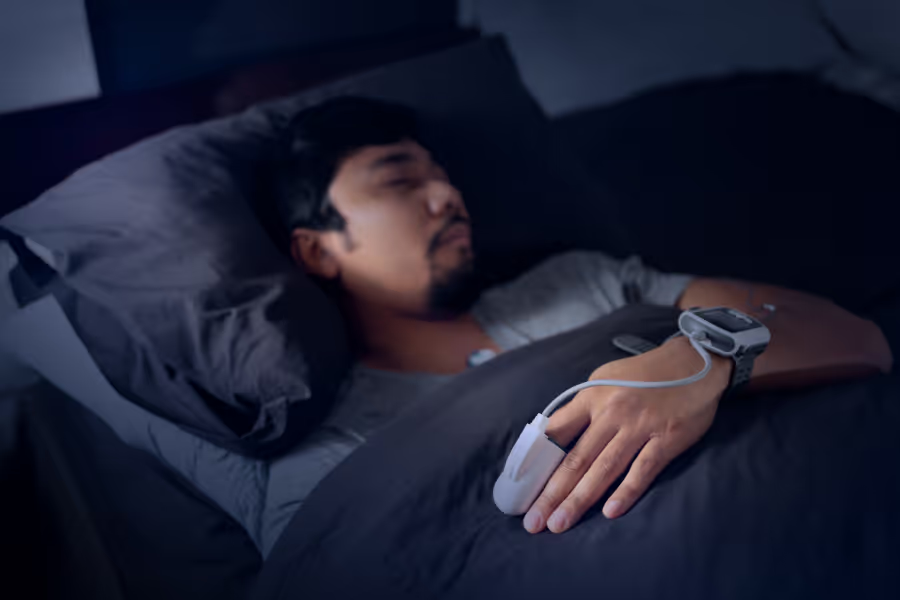
Think of your airway like a flexible tube. When you sleep, muscles relax and the tube narrows. In some people, the walls collapse enough to vibrate loudly (snoring) or close off completely (obstructive sleep apnea, or OSA), cutting off oxygen repeatedly throughout the night. This triggers gasping, fragmented sleep, daytime exhaustion, and long-term risks to heart and brain health.
Common surgical options (your surgeon will recommend what fits your anatomy)
- Uvulopalatopharyngoplasty (UPPP):
- The most common sleep apnea surgery. The surgeon removes or reshapes excess tissue from the soft palate, uvula, and throat walls to widen the airway behind the mouth. Often combined with tonsillectomy if tonsils are still present.
- Tonsillectomy / Adenoidectomy:
- Removing enlarged tonsils and/or adenoids that block the airway—especially effective in children and young adults.
- Septoplasty and/or Turbinate Reduction:
- Straightening a deviated septum and/or shrinking swollen turbinates to improve nasal airflow. Better nasal breathing can improve CPAP tolerance or reduce mouth-breathing and snoring.
- Tongue Base Reduction / Advancement:
- Reducing or repositioning tongue tissue that falls back and blocks the lower throat during sleep. Techniques include radiofrequency ablation, midline glossectomy, or genioglossus advancement (pulling the tongue muscle attachment forward).
- Hypoglossal Nerve Stimulation (Inspire):
- An implanted device that stimulates the nerve controlling the tongue, pushing it forward during sleep to keep the airway open. Used for moderate-to-severe OSA in patients who can't tolerate CPAP.
- Maxillomandibular Advancement (MMA):
- Moving both the upper and lower jaw forward to permanently enlarge the airway space behind the tongue and soft palate. Often considered the most effective single surgery for OSA, but also the most involved.
- Palatal Procedures (Pillar Implants, Radiofrequency Palatoplasty):
- Stiffening or tightening the soft palate to reduce vibration (snoring) and mild collapse.
- Epiglottic Surgery:
- Trimming or stabilizing a floppy epiglottis that contributes to obstruction.
Why do it? When CPAP isn't tolerated or hasn't solved the problem, and oral appliances or lifestyle changes aren't enough, surgery can physically correct the anatomical cause of obstruction—helping restore safe, quiet breathing during sleep.
How much does sleep apnea surgery cost in Canada?
Exact prices depend on which procedure(s) are performed, how many levels of the airway are treated, and where you have it done. Always ask for a written, itemized quote.
Cost in Canada (private)
Typical range: $8,000 - $40,000+
- Single palate procedure (UPPP): $8,000 - $15,000
- Multi-level surgery (UPPP + septoplasty + tongue base): $15,000 - $25,000
- Maxillomandibular advancement (MMA): $25,000 - $45,000+
- Hypoglossal nerve stimulation (Inspire): $30,000 - $50,000+ (device cost is significant)
Note: Costs increase significantly for multi-level or combined procedures. An overnight stay is standard for most airway surgeries.
Cost in the United States
Typical range: CA$15,000–CA$100,000+
- UPPP: CA$10,000 - CA$25,000
- MMA: CA$40,000 - CA$90,000+
- Inspire: CA$50,000 - CA$100,000+
What's usually included
- Surgeon fee and anaesthesia services.
- Hospital or surgical centre facility fees, including overnight monitoring.
- Standard disposables and surgical instruments.
- Immediate recovery care (PACU) and early follow-up visit(s).
What's often not included
- Initial consults, sleep studies (polysomnography), and pre-op imaging (CT, drug-induced sleep endoscopy).
- Additional procedures not in the original quote (e.g., adding septoplasty or tongue base work).
- The Inspire device itself (if not bundled).
- Prescriptions after discharge (pain medication, antibiotics, nasal sprays).
- Post-op sleep study to assess results (typically at 3–6 months).
- Long-term follow-up visits beyond the first one or two.
- Travel and accommodation if you're out-of-province/state.
Tips to compare quotes
Ask if it's a global bundle and request line items for: surgeon, facility, anaesthesia, overnight stay, implants/devices (if applicable), follow-ups, and what triggers extra charges (e.g., multi-level surgery, extended hospital stay, Inspire device cost).
What to expect from the surgery process
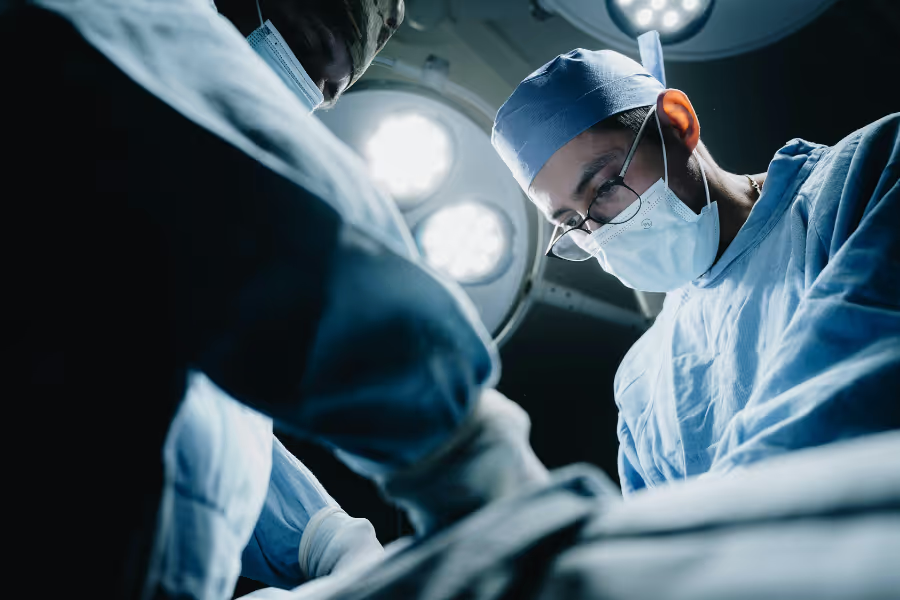
Surgery time varies widely depending on which procedure(s) are performed. A single palate procedure (UPPP) typically takes 45–90 minutes. Multi-level surgery (e.g., UPPP + septoplasty + tongue base reduction) may take 2–4 hours. Maxillomandibular advancement (MMA) is a longer procedure at 3–5+ hours. Add time for check-in, anaesthesia, and recovery.
Basic steps (using UPPP as the most common example)
1. Check-in and confirmation
You meet the team, confirm the plan, review imaging and sleep study results. Safety checks are completed.
2. Anaesthesia
General anaesthesia (fully asleep). The anaesthesia team pays special attention to airway management given the nature of the condition.
3. Position and prep
You're positioned on your back. The mouth and throat are prepped, and a mouth retractor is placed to give the surgeon access.
4. Tissue removal and reshaping
For UPPP: the surgeon removes or trims excess tissue from the soft palate, uvula, and lateral pharyngeal walls. Tonsils are removed if still present. The goal is to widen and stiffen the airway.
5. Additional procedures (if multi-level)
If the plan includes nasal work (septoplasty, turbinate reduction) or tongue base procedures, these are performed during the same session.
6. Haemostasis and check
Bleeding is carefully controlled. The surgeon inspects the airway to confirm adequate opening.
7. Wake-up and monitoring
You recover in the post-anaesthesia care unit. Because airway swelling is a concern after throat surgery, you are closely monitored—often overnight in hospital. Oxygen levels, swelling, and pain are tracked. Some patients go home the same day for simpler procedures; most UPPP patients stay one night.
What to expect from the recovery process
Every airway is different—follow your surgeon's plan. Recovery from sleep apnea surgery is often compared to adult tonsillectomy: the throat is the toughest part.
Days 1–3
Reality check:
Significant throat pain, difficulty swallowing, and low energy. This is the hardest stretch. Ear pain (referred pain from the throat) is very common. Some patients describe this as worse than expected.
Goals: Manage pain aggressively, stay hydrated, protect the healing airway.
Activities: Rest, rest, rest. Cold fluids and soft/cold foods (ice chips, popsicles, smoothies, broth, yogurt). Take pain medication on schedule—don't wait for pain to spike. Use a humidifier. Sleep with head elevated. Avoid coughing, clearing throat forcefully, or blowing nose (if nasal work was done).
Days 4–7
Still tough but turning a corner.
Goals: Maintain hydration and nutrition; pain begins to ease for most.
Activities: Continue soft/cool foods, gradually introducing room-temperature soft foods (scrambled eggs, mashed potatoes, oatmeal). Short walks around the house. Avoid spicy, acidic, crunchy, or hot foods. Bad breath and a white/grey coating in the throat are normal—this is healing tissue, not infection.
Weeks 2–3
The improvement phase.
Goals: Pain fading significantly; begin returning to normal diet and activities.
Activities: Most people return to desk or school work around week 2. Gradually reintroduce normal foods as swallowing improves. Light exercise if comfortable. First post-op visit (usually around 2 weeks). Continue avoiding heavy lifting, straining, and very hard/scratchy foods.
Weeks 4–6
Near-normal.
Goals: Full healing of the surgical site; assess snoring/apnea improvement.
Activities: Return to full activity including exercise. A follow-up sleep study may be scheduled at 3–6 months to objectively measure improvement. Final tissue remodelling can continue for several months.
Helpful tips
- Hydrate constantly: Sipping water throughout the day is the single most important recovery habit. Dehydration worsens pain.
- Pain meds on schedule: Don't fall behind—catching up is harder than staying ahead.
- Humidifier: Keeps the throat moist, especially at night.
- Bowel plan: Opioid pain meds cause constipation—have stool softeners and fibre ready.
- Sleep elevated: Reduces swelling and improves comfort.
Red flags—call your care team
- Bleeding from the mouth or nose (especially bright red or large amounts).
- Fever above 38.5°C (101.3°F).
- Difficulty breathing or noisy breathing that is worsening.
- Inability to swallow liquids or severe dehydration (no urine output, dizziness).
- Worsening pain after initial improvement (may signal infection or bleeding).
What is Surgency?
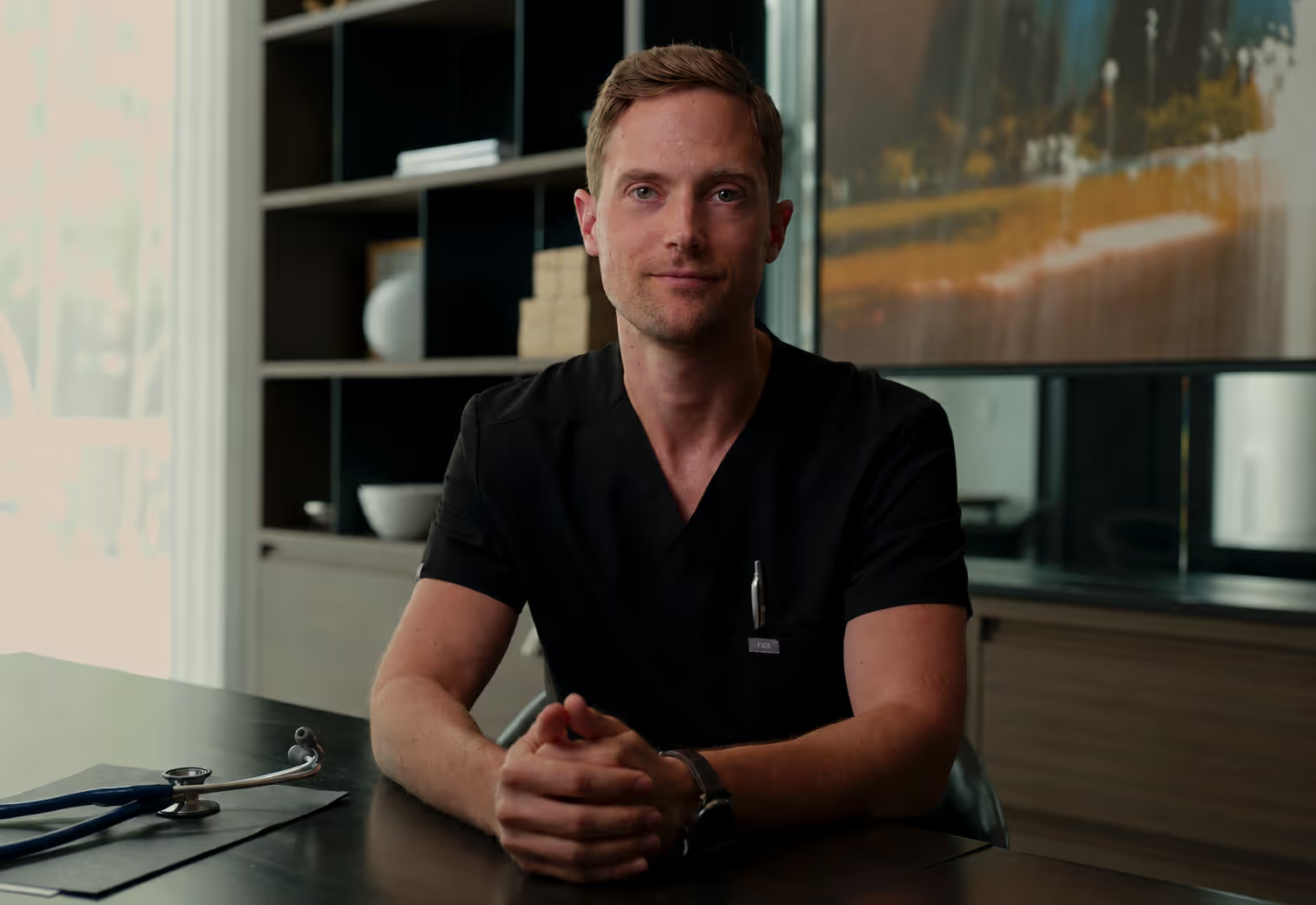
As a family doctor in the public system, I believe transparency is a form of care. I created Surgency to help my patients struggling on long waitlists who wanted to understand all their options for timely medical attention.
Surgency is a free resource designed to empower and educate—helping you understand private pathways and find accredited surgeons within Canada. I hope Surgency brings you clarity.
Dr. Sean Haffey
Why do Canadians get this surgery done privately?
Some sleep apnea & snoring surgeries are covered by insurance, some are not.
Hypoglossal nerve stimulation, palatal procedures (pillar implants, radiofrequency palatoplasty) are not covered by insurance, so must always be done privately.
The following surgeries are covered (which means you'll need to travel out-of-province to see a private surgeon for these procedures):
- Tonsillectomy / Adenoidectomy
- Septoplasty and/or Turbinate Reduction (Must be for breathing obstruction, not cosmetic rhinoplasty).
- Uvulopalatopharyngoplasty (UPPP)
- Traditional Tongue Base Reduction / Advancement (e.g., midline glossectomy or genioglossus advancement).
- Epiglottic Surgery
Shorter wait times
Public wait lists for sleep studies, ENT consults, and OR time can be long—especially when OSA is classified as non-emergent. Private centres can sometimes line up assessment and surgery in weeks rather than months, cutting time spent with dangerous oxygen drops, crushing daytime fatigue, impaired driving risk, and cardiovascular strain.
Choice and control
Going private can let you:
- Pick your surgeon (ENT, oral & maxillofacial, or sleep surgeon) based on sleep surgery experience and case volume
- Schedule around work, exams, caregiving, or travel
- Get a clear plan for which procedure(s) target your specific level(s) of obstruction (nose, palate, tongue base, jaw)
Peace of mind
You know who's operating, when it's happening, and which approach and technique they'll use. Predictable dates make it easier to arrange time off, travel, and post-op recovery.
Preventing further decline
- Heart and brain health: Untreated OSA increases risk of high blood pressure, heart attack, stroke, atrial fibrillation, and cognitive decline
- Daily function: Ongoing oxygen drops and fragmented sleep cause daytime sleepiness, poor concentration, mood changes, and impaired driving—a safety risk
- Relationships: Chronic loud snoring strains partners and families
- Performance and wellbeing: Faster treatment can protect work performance, mental health, and exercise capacity
Integrated care
Private pathways may offer streamlined sleep studies, drug-induced sleep endoscopy (DISE), advanced surgical tools, and coordinated follow-up—with virtual appointments if you live far away.
How to choose a surgeon and clinic
Choosing your surgeon is a major benefit of pursuing private surgery. Here's how to choose wisely for sleep apnea and snoring surgery.
What to look for
Experience and volume (sleep surgery–specific)
Ask how many sleep apnea surgeries they perform each year (not just general ENT procedures).
Sleep surgery requires expertise because:
- there are multiple possible sites of obstruction (nose, palate, tongue base, jaw, epiglottis), and choosing the wrong target leads to poor outcomes
- patient selection is critical—surgery works best when the anatomical cause is clearly identified
- multi-level procedures require coordinated planning
Also ask about their case mix:
- UPPP, tonsillectomy, palate procedures
- Nasal surgery (septoplasty, turbinate reduction)
- Tongue base procedures (radiofrequency, genioglossus advancement)
- MMA (maxillomandibular advancement)
- Inspire (hypoglossal nerve stimulation) if applicable
- Revision cases (patients who failed prior surgery)
Credentials and training
- Verify licensure with your provincial college (CPSO Ontario, CPSBC BC, CPSA Alberta, CMQ Québec, etc.)
- Look for FRCSC-certified otolaryngologists (ENT surgeons) or oral & maxillofacial surgeons with fellowship or subspecialty training in sleep surgery
- Bonus: surgeons who perform drug-induced sleep endoscopy (DISE) to precisely identify obstruction sites, publish outcomes, or participate in sleep surgery societies
For a more in-depth guide read, How to Understand Surgeon Credentials in Canada
Outcomes and safety (ask for real numbers)
Request recent data, ideally for sleep surgery specifically:
- AHI reduction rate (apnea-hypopnea index—the main measure of sleep apnea severity)
- Surgical success rate (typically defined as AHI reduced by ≥50% and below 20)
- Complication rates (bleeding, infection, swallowing difficulty, voice changes)
- Revision/reoperation rate and reasons
- Patient-reported outcomes: snoring improvement, daytime sleepiness scores (Epworth Sleepiness Scale), partner-reported changes, CPAP elimination rates
Clear indications and alternatives
Make sure they confirm you're a good candidate for surgery, not just "able to pay for it." Note: This shouldn't be a problem, as Canadian surgeons are bound to act in the patient's best interests.
A careful surgeon should explicitly assess:
- where your obstruction is (nose, palate, tongue base, jaw, epiglottis)—ideally with drug-induced sleep endoscopy (DISE) or Muller manoeuvre
- whether symptoms match the severity on your sleep study (mild/moderate/severe OSA, or primary snoring)
- whether CPAP, oral appliances, weight loss, or positional therapy have been adequately tried
- whether BMI and medical conditions affect surgical candidacy or expected outcomes
They should also compare surgery to:
- Continued CPAP with mask optimization or pressure adjustments
- Oral/mandibular advancement devices
- Weight loss (even 10–15% body weight can significantly improve OSA)
- Combination approaches (e.g., nasal surgery to improve CPAP tolerance)
Imaging and assessment (must be thorough)
Good programs use comprehensive assessment to confirm candidacy:
- Polysomnography (overnight sleep study)—the gold standard for diagnosing OSA
- Drug-induced sleep endoscopy (DISE) to see exactly where the airway collapses
- CT or cephalometric X-rays for jaw surgery planning
- Nasal endoscopy
- BMI, neck circumference, and Mallampati score
Confirm the findings match your specific symptoms and that the planned procedure targets the identified obstruction site(s).
Facility accreditation and safety systems
Choose accredited centres (e.g., Accreditation Canada / CAAASF) with:
- experienced anaesthesia teams familiar with difficult airway management in OSA patients
- overnight monitoring capability (airway swelling is a real risk after throat surgery)
- a clear transfer pathway to a hospital if needed
Rehab integration
You want a written plan for:
- pain management (throat pain is significant—ask about their multimodal approach)
- diet progression (liquid → soft → normal)
- return to work, exercise, and driving timelines
- follow-up sleep study schedule (typically 3–6 months post-op)
Transparent pricing
Request an itemized quote including:
- surgeon fee
- facility/OR fees
- anaesthesia
- overnight stay (and whether it's included)
- implants/devices if applicable (Inspire, palatal implants)
- follow-ups (and whether virtual follow-ups are included)
Clarify add-ons:
- multi-level surgery (adding nasal or tongue base work)
- device costs (Inspire)
- extended hospital stay
Questions to ask at your sleep apnea surgery consultation
Surgeon and plan
- How many sleep apnea surgeries do you perform yearly?
- How many cases like mine (same severity, same obstruction site, similar BMI)?
- Which procedure(s) do you recommend for me—and why that approach over alternatives?
- Do you perform drug-induced sleep endoscopy (DISE) to identify obstruction sites?
Technique and safety
- What is your AHI reduction rate and surgical success rate?
- What are your rates of: post-op bleeding, infection, swallowing problems, and voice changes?
- What's the plan if this surgery doesn't fully resolve my sleep apnea?
- Will I need to continue CPAP after surgery, or is the goal to eliminate it?
Recovery and after-care
- How long is the overnight stay?
- What's your pain management approach for the throat (this is often the hardest part)?
- When can I eat normal food, return to work, and exercise?
- When will I have a follow-up sleep study to assess results?
Costs and logistics
- What exactly is included in my quote (especially overnight stay and devices)?
- What could increase the cost (multi-level surgery, extended stay, complications)?
- How are follow-ups handled if I live out of province?
Signals of a high-quality sleep surgery program
- Performs drug-induced sleep endoscopy (DISE) to precisely identify obstruction before recommending surgery
- Shares AHI outcomes, complication rates, and CPAP elimination rates openly
- Operates in an accredited facility with experienced anaesthesia, overnight monitoring, and emergency airway pathways
- Provides a clear pain management plan and diet progression protocol
- Offers transparent, itemized pricing—including overnight stay and clear "what if we add another level" terms
- Schedules a follow-up sleep study to objectively measure surgical success
If you're currently interested in private surgical pathways within Canada, you can click here for a list of providers.

Frequently asked questions
How do I know this surgery is right for me?
Sleep apnea and snoring surgery is right for people with a surgically correctable airway obstruction who haven't been able to manage their condition with non-surgical options.
Signs surgery might be right for you
- CPAP intolerance: You've genuinely tried CPAP (different masks, pressure adjustments, heated humidifier) and still can't use it consistently.
- Anatomical obstruction: You have enlarged tonsils, a bulky soft palate, a deviated septum, large tongue base, or a small/recessed jaw that physically narrows your airway.
- Moderate-to-severe OSA with significant symptoms (daytime sleepiness, morning headaches, witnessed apneas, unrefreshing sleep) that are affecting your health and quality of life.
- Primary snoring that significantly disrupts your partner's sleep and hasn't responded to positional therapy, weight loss, or oral appliances.
- Failed oral appliance therapy: A mandibular advancement device didn't adequately control your apnea or you couldn't tolerate it.
When it might not be the right option
- Morbid obesity as the primary cause: If BMI is very high (>40), surgery alone is less likely to succeed and weight management should be a primary focus.
- Central sleep apnea: If your apnea is caused by the brain not sending proper signals (not an airway obstruction), surgery won't help.
- CPAP works well and you tolerate it: If CPAP is controlling your apnea effectively, surgery is usually unnecessary.
- No identifiable anatomical obstruction: If DISE or examination doesn't show a clear surgical target, outcomes are unpredictable.
- Uncontrolled medical conditions: Significant heart, lung, or other conditions may increase surgical risk.
When to get assessed sooner
- Severe daytime sleepiness affecting driving safety or work performance.
- Witnessed prolonged breathing pauses during sleep.
- New or worsening high blood pressure, heart rhythm problems, or unexplained morning headaches.
- Oxygen levels dropping dangerously low on sleep study.
- Children with enlarged tonsils/adenoids causing snoring and breathing pauses—surgery is often first-line in kids.
Do I need a referral?
Yes and no—you can reach out to any of the private surgeons listed on Surgency without a referral. Their intake teams are happy to answer questions, explain what they treat, share pricing ranges, and walk you through next steps.
However, to book a formal consultation with the surgeon, you'll typically need a referral from your family doctor or nurse practitioner. Don't have one? Many of the clinics can help coordinate a virtual GP appointment to get the referral paperwork sorted. All surgeons listed on Surgency offer virtual initial consultations, so you don't need to travel until you and the surgeon have agreed on a plan.
Before your consultation, expect the clinic to request relevant medical records and recent diagnostic imaging (X-ray, MRI, CT, ultrasound, lab work, etc.). Having these ready speeds up the process and lets the surgeon give you specific guidance on your very first call.
How do I prepare for surgery?
Your surgeon's instructions come first—follow their plan if it differs.
Prehab and health optimization
Weight management
- Even modest weight loss (5–10%) can improve surgical outcomes and reduce anaesthesia risk. Start early.
Optimize CPAP use before surgery
- If you're using CPAP, continue until surgery day. Good oxygen levels before surgery improve healing.
Quit nicotine
- Smoking and vaping irritate the airway lining and dramatically increase healing complications. Stop 4+ weeks before surgery.
Manage allergies and nasal inflammation
- Continue nasal steroid sprays and antihistamines as directed. Treat any active sinus infection before the procedure.
Medication review
- Share all prescriptions, OTC meds, and supplements.
- Pause blood thinners and anti-inflammatories as directed (bleeding control is critical for throat surgery).
Light cardio
- Build a daily walking habit; cardiovascular fitness improves healing and reduces anaesthesia risk.
Home prep
Stock up on soft foods and liquids
- You will live on liquids and soft foods for 1–2+ weeks. Stock: ice chips, popsicles, smoothie ingredients, protein shakes, yogurt, apple sauce, broth, mashed potatoes, scrambled eggs, oatmeal.
- Avoid purchasing anything spicy, acidic (orange juice, tomato), crunchy, or sharp-edged.
Humidifier
- Set one up in your bedroom. A moist airway heals better and hurts less.
Pain management supplies
- Fill prescriptions before surgery so they're ready at home.
- Have liquid or crushable forms of medications (swallowing pills will be very painful initially).
- Stool softeners and fibre (opioid pain meds cause constipation).
Safe layout
- Set up a comfortable recovery area with extra pillows to sleep elevated (30–45°).
- Keep water and a cup within arm's reach at all times.
Food, meds, and surgery-day prep
Eating and fasting
- Follow your centre's fasting instructions (typically nothing to eat or drink after midnight the night before).
CPAP
- Use your CPAP the night before surgery as usual.
- Bring it to the hospital—you may need it post-operatively.
What to bring
- Health card/ID, medication list, sleep study results, and imaging.
- CPAP machine (the team may use it post-op).
- Lip balm (lips get dry during anaesthesia).
- A driver and someone to stay with you for the first 24–48 hours at home.
Practice ahead
- Practice sleeping elevated (wedge pillow or stacked pillows)—you'll need to do this for the first 1–2 weeks.
- Prepare and freeze soft meals in advance.
Red flags to know
- New cold or respiratory infection in the days before surgery—call your surgeon, as it may need to be postponed.
- Fever or feeling unwell—notify the surgical team immediately.
How much does Surgency cost?
Surgency is free for patients, funded for by surgeons.
Surgeons—who meet our listing criteria—pay a flat fee to list on the Surgency platform. To maintain objectivity, there are no commissions, referral fees, nor any ranking or recommending one surgeon over another.
Surgency is patient-first. Our goal is to make the process of finding a private surgeon as simple as possible. You choose who to contact. Learn more in our Advertising Policy.
What are the risks involved with surgery?
Your personal risk depends on which procedure(s) are performed, your anatomy, BMI, OSA severity, and general health. Discuss your specific risks with your surgeon.
Common and usually temporary
- Severe sore throat: Expected after palate/tonsil surgery. Comparable to or worse than adult tonsillectomy. Lasts 1–3 weeks.
- Pain with swallowing (odynophagia): Significant for the first 1–2 weeks; eating and drinking are uncomfortable.
- Referred ear pain: Very common—the throat and ear share nerve pathways. Not an actual ear problem.
- Swelling of the throat/uvula: Expected. Monitored closely, especially overnight.
- Bad breath and white/grey throat coating: Normal healing—not infection. Lasts 1–2 weeks.
- Voice changes: Temporary nasality or altered voice quality, especially after palate surgery. Usually resolves.
- Dry mouth: Common during recovery; helped by sipping water and using a humidifier.
Less common
- Bleeding: Post-tonsillectomy/UPPP bleeding occurs in roughly 2–5% of cases and can happen up to 2 weeks post-op. May require return to the OR.
- Velopharyngeal insufficiency (VPI): Air or liquids escape through the nose when swallowing or speaking because the palate can't seal properly. Usually temporary; rarely persistent.
- Persistent swallowing difficulty (dysphagia): Usually resolves but can last weeks.
- Taste changes: Temporary alteration in taste is possible.
- Infection: Low risk but possible at the surgical site.
- Failure to improve: Surgery does not cure sleep apnea in everyone. UPPP success rates (AHI reduction ≥50%) are roughly 40–60% depending on patient selection. Multi-level surgery and MMA have higher success rates.
Uncommon but important
- Airway compromise from swelling: This is why overnight monitoring is standard. Rare but serious.
- Permanent voice or swallowing changes: Uncommon but possible, particularly with aggressive tissue removal.
- Nasopharyngeal stenosis: Scarring that narrows the airway behind the nose. Rare but can be difficult to treat.
- Need for revision surgery or additional procedures: Some patients need a second stage of surgery if initial results are insufficient.
- Anaesthesia risks: OSA patients have higher anaesthesia risk due to their airway; experienced teams mitigate this.
How you can lower risk
- Stop nicotine: Improves healing and reduces infection risk.
- Lose weight: Even modest loss reduces surgical risk and improves outcomes.
- Stay hydrated: The most important post-op habit to reduce pain and bleeding risk.
- Take pain meds on schedule: Don't let pain get ahead of you.
- Follow up on schedule: Allows your surgeon to catch and manage any issues early.
- Get a follow-up sleep study: Objectively confirms whether surgery worked
What are the risks of delaying or not pursuing surgery?
Your situation depends on OSA severity, symptoms, and whether non-surgical options are working.
Main risks of delaying (when symptoms are significant and CPAP isn't working)
Cardiovascular damage
- Untreated OSA significantly increases risk of high blood pressure, heart attack, stroke, atrial fibrillation, and heart failure. The repeated oxygen drops and stress responses during sleep take a cumulative toll on the heart and blood vessels.
Cognitive decline and mental health
- Chronic sleep fragmentation impairs memory, concentration, and decision-making. Untreated OSA is linked to increased risk of depression, anxiety, and dementia.
Dangerous daytime sleepiness
- Severe daytime fatigue from uncontrolled OSA increases the risk of motor vehicle accidents and workplace injuries. This is a safety issue for you and others.
Metabolic consequences
- OSA worsens insulin resistance and is linked to type 2 diabetes and weight gain—which in turn worsens OSA, creating a vicious cycle.
Relationship and quality of life
- Chronic loud snoring and witnessed apneas strain relationships. Separate bedrooms, resentment, and sleep deprivation for partners are common.
Progressive airway changes
- In some cases, chronic vibration and inflammation from snoring may worsen tissue laxity over time.
When watchful waiting can be reasonable
- Mild OSA with minimal symptoms and no cardiovascular risk factors.
- You are actively optimizing CPAP, oral appliance, or weight loss and seeing improvement.
- Primary snoring without OSA that is not significantly affecting your partner.
When not to delay (seek prompt assessment)
- Severe OSA (AHI >30) with significant oxygen desaturation.
- CPAP failure: You cannot tolerate CPAP despite adequate trials and mask optimization.
- Daytime sleepiness affecting safety: Falling asleep while driving or at work.
- Cardiovascular complications: New or worsening high blood pressure, heart rhythm problems, or signs of heart failure.
- Children with sleep-disordered breathing: Surgery (tonsillectomy/adenoidectomy) is often first-line treatment and should not be delayed.
I still have questions
If you still have questions, please feel free to contact us directly.
Please note: Surgency is not a clinic itself. Nor can we help with emergency situations, or provide personalized medical advice—that is between you and your surgeon. If you are experiencing acute or severe symptoms, please present to your local emergency department or urgent care centre.
.avif)