
.png)


What is nasal polypectomy?
Nasal polypectomy (often performed as part of Functional Endoscopic Sinus Surgery or FESS) is a procedure for the nose and sinuses that relieves severe blockages by removing nasal polyps—soft, painless, teardrop-shaped growths that form on the lining of your nasal passages.
Think of your nasal passages and sinuses like a system of open tunnels and hollow rooms. When chronic inflammation (from allergies, asthma, or frequent infections) causes the lining to swell, fleshy polyps can grow and literally plug these tunnels. This causes severe congestion, loss of smell and taste, constant runny nose, facial pressure, and repeated sinus infections because mucus gets trapped.
What actually happens
• Polypectomy (remove the growths): The surgeon uses a small lighted camera (endoscope) and a specialized micro-instrument to gently shave away and remove the polyps blocking the airway. There are no cuts on the outside of your face.
• Sinus opening (restore drainage): The surgeon often widens the natural openings of your sinuses to allow trapped mucus to drain and to prevent future infections.
Why do it? When steroid sprays and pills fail to shrink the polyps, surgery physically clears the airway. This restores your ability to breathe through your nose, helps bring back your sense of smell, and allows your daily medicated nasal sprays to actually reach the sinuses to keep polyps from returning.
How much does nasal polypectomy cost in Canada?
How we estimate surgical costs: Ranges are estimates drawn from our network of 100+ private clinics and surgeons, and they're intentionally broad. Two people seeking the same procedure can receive very different quotes depending on province, surgeon, facility fees, and case complexity. Published prices aren't always comparable either—some are complete bundles, others exclude consultation, imaging, or follow-up. Only the clinic can give you an exact, itemized quote.
Exact prices depend on the extent of the polyps, how many sinus cavities need to be opened (e.g., just the front vs. all the way to the back), the specific technology used (like image-guidance navigation), and the facility. Always ask for a written, itemized quote.
Cost in Canada (private)
Typical range:
- Simple, in-office excision: $1,000 - $1,500
- With endoscopic sinus surgery: $6,000 - $12,000+
Cost in the United States
- Simple, in-office excision: CA$1,500 - CA$4,000
- With endoscopic sinus surgery: CA$8,000 - CA$15,000+
What’s usually included
- Surgeon fee and anaesthesia services.
- Accredited facility/OR time, nursing, and standard disposables.
- Use of specialized equipment (microdebriders, endoscopes).
- Immediate recovery care (PACU) and early follow-up visit(s) for debridement.
What’s often not included
- Initial consults and pre-op imaging (CT scans of the sinuses) done outside the clinic.
- Advanced image-guided navigation technology fees (if billed separately).
- Extra procedures (like fixing a deviated septum/septoplasty at the same time).
- Prescriptions after discharge (saline rinses, antibiotics, pain meds).
- Travel and accommodation if you’re out-of-province/state.
Tips to compare quotes
Ask if it’s a global bundle and request line items for: surgeon, facility, anaesthesia, technology fees (navigation/microdebrider), imaging, follow-ups, and what triggers extra charges (e.g., adding a septoplasty if they discover a deviated septum blocking their tools).
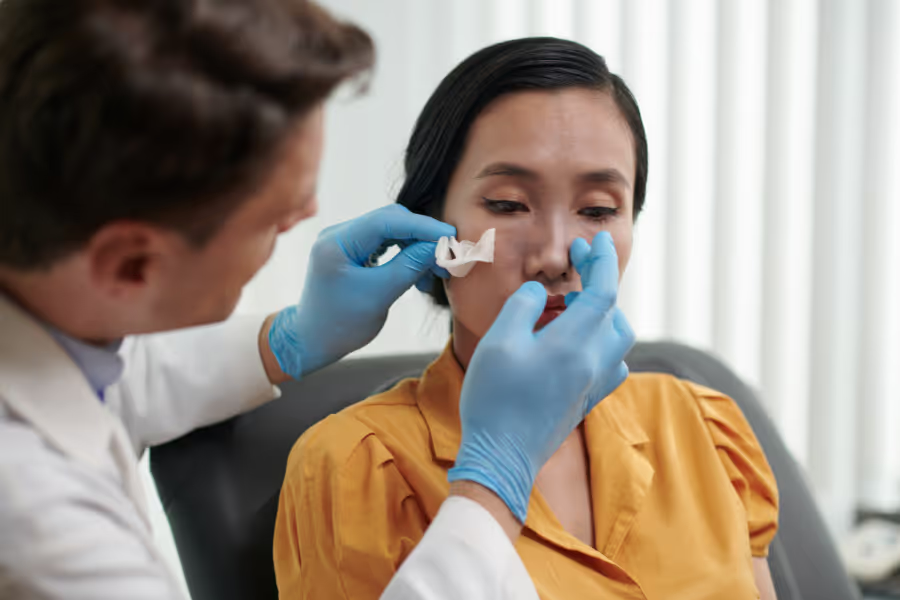
What to expect from the surgery process
Typical nasal polypectomy takes about 1 to 2.5 hours of operating time depending on the size of the polyps and how many sinus cavities are involved. Add time at the centre for check-in, anaesthesia, and recovery (usually a few extra hours). Revision cases (if polyps have grown back from a past surgery) can take longer.
Basic steps
1. Check-in and confirmation
You meet the team, review your symptoms and CT imaging, and go over the surgical plan. Safety checks are completed.
2. Anaesthesia
General anaesthesia (you’re fully asleep) is most common, though some smaller cases can be done under local anaesthesia with deep IV sedation.
3. Position and prep
You’re positioned on your back. Your face is cleaned and draped sterilely.
4. Endoscopic exposure
There are no external cuts. The surgeon inserts a thin, lighted camera (endoscope) into your nostrils to see the polyps and sinus pathways clearly on a high-definition monitor.
5. Polypectomy and decompression
Using a tiny rotating instrument called a microdebrider, the surgeon gently shaves and suctions away the polyps. If needed, thin bone and swollen tissue blocking the sinus openings are also removed to fully free the space.
6. Image-guided navigation (if used)
For complex or revision cases, the surgeon may use a GPS-like tracking system mapped to your CT scan to safely navigate very close to the eyes and brain.
7. Rinse and check
The nasal cavity is flushed with saline. The surgeon confirms the airways and sinuses are wide open and checks for any bleeding.
8. Packing and close up
The surgeon may place soft, dissolvable packing or a gel inside the nose to prevent bleeding and scarring. Traditional "yards of gauze" packing is rarely used today.
9. Wake-up and instructions
You recover in the post-anaesthesia care unit, begin breathing through your now-open (but swollen) nose, and receive strict saline rinse instructions. Most patients go home the same day.

What to expect from the recovery process
Every nose is different—follow your surgeon’s plan. Steady, smart progress and aggressive saline rinsing beats pushing too hard.
Week 1
Reality check:
Severe congestion, bloody drainage, crusting, and fatigue are completely normal. It often feels like the worst head cold of your life. Your nose will feel blocked due to surgical swelling and packing.
Goals: Control mild pain, prevent heavy bleeding, and keep the nose moist.
Activities: Rest with your head elevated (use extra pillows). Start gentle saline rinses exactly as prescribed to wash out blood and mucus. Absolutely no nose blowing, heavy lifting, or bending over.
Weeks 2–4
Still annoying but improving.
Goals: Clear out crusting and enjoy returning airflow.
Activities: You will have a follow-up visit where the surgeon may suction out old blood and crusts (debridement)—this drastically improves breathing. Continue daily saline rinses. Many people return to desk/school work after 1 week. You can start light walks but still avoid straining or intense cardio.
Weeks 5–8
The work phase.
Goals: Stable breathing and returning sense of smell.
Activities: You can usually return to normal exercise and lifting once cleared by your surgeon. You will likely restart your steroid nasal sprays to prevent polyps from returning. Your sense of smell and taste often begin to return during this phase as the deep swelling subsides.
Months 3–6
Back to most normal life.
Goals: Long-term polyp prevention.
Activities: Normal daily life. It is crucial to continue your prescribed allergy or asthma management, as nasal polyps have a high rate of returning if the underlying inflammation isn't controlled.
Helpful tips
- Saline is mandatory: Rinsing with a neti pot or squeeze bottle is the single most important part of your recovery to prevent painful crusting.
- Sleep elevated: Propping yourself up reduces throbbing and swelling in the face.
- Sneeze open-mouthed: If you have to sneeze, do it with your mouth wide open to avoid blowing pressure into your healing sinuses.
- Patience with smell: Your sense of smell can take weeks or even months to "wake up" after being blocked for so long.
Red flags—call your care team
- Heavy, bright red nosebleed that does not stop after 15 minutes of holding pressure and using ice.
- Fever or spreading redness/swelling around your eyes or face.
- Vision changes: Double vision, loss of vision, or a bulging eye (requires immediate emergency attention).
- Severe headache accompanied by a stiff neck or clear, watery fluid constantly dripping from one nostril (potential spinal fluid leak).
What is Surgency?
As a family doctor in the public system, I believe transparency is a form of care. I created Surgency to help my patients struggling on long waitlists who wanted to understand all their options for timely medical attention.
Surgency is a free resource designed to empower and educate—helping you understand private pathways and find accredited surgeons within Canada. I hope Surgency brings you clarity.
Dr. Sean Haffey

Why do Canadians get this surgery done privately?
Shorter wait times
Public waitlists for ENT (Ear, Nose, and Throat) consults, CT scans, and OR time can be extremely long—especially because nasal polyps are severely disruptive to your life but rarely considered a medical emergency. Private centres can sometimes line up assessment and surgery in weeks rather than months, cutting time spent with mouth-breathing, sleep-killing congestion, facial pain, or repeated courses of heavy antibiotics.
Choice and control
Going private can let you:
• Pick your surgeon based on nasal airway and sinus surgery experience and case volume.
• Schedule around work, exams, caregiving, or travel.
• Get a clear plan for the exact scope of the surgery, whether you need a simple polypectomy or a more comprehensive sinus clear-out (FESS).
Peace of mind
You know who’s operating, when it’s happening, and what approach and tools they’ll use (like advanced image-guided navigation). Predictable dates make it easier to arrange time off, travel, and post-op recovery.
Preventing further decline
- Function: Ongoing blockage ruins sleep architecture, causes chronic fatigue, and can permanently damage your sense of smell and taste.
- Infection risk: Trapped mucus breeds chronic bacterial sinus infections, which can spread or require heavy, repeated antibiotic use.
- Performance and wellbeing: Faster relief protects your mood, dental health (by stopping mouth breathing), and ability to exercise/work.
Integrated care
Private pathways may offer streamlined CT imaging, advanced surgical tools (like microdebriders), and coordinated allergy/post-op care plans—with virtual follow-ups if you live far away.
How to choose a surgeon and clinic
Choosing your surgeon is a major benefit of pursuing private surgery. Here’s how to choose wisely for nasal polypectomy and sinus surgery (FESS).
What to look for
Experience and volume (sinus-specific)
Ask how many polypectomies and sinus clear-outs (FESS) they do each year (not just tonsil removals or ear surgeries).
Nasal polyp surgery requires precision because the sinuses sit directly next to the eyes and the base of the brain:
- The approach: Are they simply plucking polyps out (which has a high recurrence rate), or are they opening the sinus cavities (FESS) to prevent them from coming back?
- Case mix: Do they routinely handle severe, completely blocked sinuses or revision surgeries (when polyps have grown back from a past surgery)?
Credentials and training
- Verify licensure with your provincial college (CPSO Ontario, CPSBC BC, CPSA Alberta, CMQ Québec, etc.).
- Look for FRCSC-certified Otolaryngologists (ENT surgeons).
- Bonus: Surgeons with fellowship training in Rhinology (the subspecialty dedicated specifically to the nose and sinuses).
For a more in-depth guide read, How to Understand Surgeon Credentials in Canada
Outcomes and safety (ask for real numbers)
Request recent data, ideally for sinus and polyp surgery:
- Bleeding rates: How often do patients need to be repacked or return to the ER for nosebleeds?
- Recurrence rate: How often do their patients need a second surgery because polyps grew back? (Polyps are notorious for returning, but a good surgical and medical plan keeps this rate lower).
- Infection rate: Post-operative sinus infections.
- Patient-reported outcomes: Typical return of the sense of smell, breathing improvement, and relief from facial pressure.
Clear indications and alternatives
Make sure they confirm you’re a good candidate for surgery, not just “able to pay for it.”
A careful surgeon should explicitly assess:
- Whether you have tried and failed a proper course of prescription steroid nasal sprays or oral steroids.
- Whether your symptoms match your CT scan (confirming the blockage is actually polyps and not just a deviated septum or simple allergies).
- Whether you are a candidate for newer biologic injections (like Dupixent) instead of, or in addition to, surgery.
Surgical plan and technology strategy
Ask:
- Which sinuses are blocked, and are you opening all of them or just a few?
- Do you use a microdebrider (a tool that shaves and suctions polyps precisely) or just traditional grasping tools?
- Will you use image-guided navigation (a GPS-like system for the sinuses)? This is highly recommended for complex or revision cases to avoid damaging the eyes or brain.
Imaging and planning (must be thorough)
Good programs use imaging to confirm candidacy:
- Nasal endoscopy: A quick camera scope in the clinic to visually confirm the polyps.
- CT scan of the sinuses: This is the "roadmap" required before any safe sinus surgery. It shows exactly how far the polyps reach.
Facility accreditation and safety systems
Choose accredited centres (e.g., Accreditation Canada / CAAASF) with:
- Modern endoscopic video equipment and navigation technology.
- Experienced anaesthesia for airway cases (since they are operating in the airway).
- A clear transfer pathway to a hospital if a rare but serious bleeding complication occurs.
Rehab integration (saline is your best friend)
You want a written plan for:
- Exactly how and when to do your saline rinses (the most critical part of recovery).
- When to restart your medicated nasal sprays.
- Work and lifting restrictions.
- When you will have your first clinic follow-up for a debridement (cleaning out the healing crusts).
Transparent pricing
Request an itemized quote including:
- Surgeon fee
- Facility/OR fees
- Anaesthesia
- Technology fees (image-guided navigation or microdebrider tools, if billed separately)
- Imaging/CT scans
- Follow-ups (including the necessary post-op clean-outs)
Clarify add-ons:
- Adding a septoplasty (if your septum is crooked and blocks their instruments, they may need to fix it during the same surgery).
- Longer OR time if the polyps are more extensive than expected.
Questions to ask at your nasal polypectomy consultation
Surgeon and plan
- How many sinus and polyp surgeries do you perform yearly?
- Are you just removing the polyps in the nasal passage, or fully opening my sinus cavities (FESS) as well?
- Do I need a septoplasty at the same time?
Technique and safety
- Will you use image-guided navigation for my surgery?
- Do you use nasal packing? If so, is it the dissolvable kind, or will it need to be pulled out?
- What is the risk of the polyps growing back, and how do we prevent that?
Recovery and after-care
- When can I blow my nose, exercise, and return to work?
- Will you be doing a clean-out (debridement) at my follow-up appointment?
- What symptoms should prompt an urgent call (heavy bleeding, visual changes, severe headache)?
Costs and logistics
- What exactly is included in my quote?
- What could increase the cost (extra time, navigation equipment)?
- How are follow-ups handled if I live out of province, considering I need a physical clean-out?
Signals of a high-quality polypectomy program
- Performs sinus/polyp surgeries regularly and explains your CT scan clearly.
- Focuses heavily on the medical management after surgery (steroid sprays) to prevent polyps from returning.
- Operates in an accredited facility with modern endoscopic tools.
- Provides a strict, written recovery plan focused on saline rinsing.
- Offers transparent, itemized pricing.
If you're currently interested in private surgical pathways within Canada, you can click here for a list of providers.

Frequently asked questions
How do I know this surgery is right for me?
Nasal polypectomy is right for patients who have severe, daily symptoms caused by polyps that have not responded to a proper trial of medical treatments (like steroid sprays or pills).
Signs polypectomy might be right for you
- You can’t breathe through your nose: Your nasal passages are physically plugged, forcing you to mouth-breathe constantly.
- You’ve lost your sense of smell/taste: Polyps block odors from reaching the smell receptors high up in your nose.
- Medical therapy failed: You’ve used prescription steroid sprays consistently for months, or taken oral steroids, and the polyps remain.
- Chronic infections: Trapped mucus behind the polyps causes repeated, painful bacterial sinus infections requiring antibiotics.
- Diagnostic clarity: A CT scan and nasal endoscopy confirm that polyps—not just a crooked septum or simple allergies—are the root cause of your blockage.
When it might not be the right option
- You haven't tried sprays yet: Surgery is rarely the first step. You should always try proper steroid sprays first, as they can sometimes shrink small polyps completely.
- Your blockage is structural: If your congestion is purely from a deviated septum or enlarged turbinates (without polyps), you need a different procedure.
When to get assessed sooner
- One-sided symptoms: Polyps usually grow on both sides. If you have severe blockage, bleeding, or pain on only one side of your nose, it needs to be evaluated quickly to rule out a tumor.
- Visual changes: Any bulging of the eye or double vision requires emergency assessment.
Do I need a referral?
Yes and no—you can reach out to any of the private surgeons listed on Surgency without a referral. Their intake teams are happy to answer questions, explain what they treat, share pricing ranges, and walk you through next steps.
However, to book a formal consultation with the surgeon, you'll typically need a referral from your family doctor or nurse practitioner. Don't have one? Many of the clinics can help coordinate a virtual GP appointment to get the referral paperwork sorted. All surgeons listed on Surgency offer virtual initial consultations, so you don't need to travel until you and the surgeon have agreed on a plan.
Before your consultation, expect the clinic to request relevant medical records and recent diagnostic imaging (X-ray, MRI, CT, ultrasound, lab work, etc.). Having these ready speeds up the process and lets the surgeon give you specific guidance on your very first call.
How do I prepare for surgery?
Your surgeon’s instructions come first—follow their plan if it differs.
Prehab and health optimization
Optimize your nasal health now
- Continue using your prescribed steroid nasal sprays right up until surgery (unless told otherwise). Reducing inflammation beforehand makes the surgery easier and safer.
- Treat any active sinus infections with antibiotics if prescribed by your doctor.
Gather your sinus supplies
- Buy a high-quality saline rinse kit (like a Neti pot or NeilMed squeeze bottle) and lots of distilled water. You will use this multiple times a day after surgery.
Quit nicotine
- Nicotine restricts blood vessels, increases the risk of heavy bleeding, and slows down the healing of the delicate nasal lining. Stop at least 4 weeks before surgery.
Medication review
- Share all prescriptions, OTC meds, and supplements.
- Crucial: Stop taking aspirin, ibuprofen (Advil/Motrin), naproxen, vitamin E, fish oil, and herbal supplements 10 to 14 days before surgery. These thin the blood, and controlling bleeding is the most critical part of sinus surgery.
Home prep
Bed and sleep support
- Plan to sleep with your head elevated (using a wedge pillow or sleeping in a recliner) for the first week. This significantly reduces facial throbbing and bleeding.
- Set up a cool-mist humidifier in your bedroom to keep the air moist, which prevents painful crusting.
Food, meds, and surgery‑day prep
Easy-to-eat foods
- Because your nose will be totally blocked by swelling and packing, chewing and swallowing can feel awkward and pop your ears. Stock up on soft, easy-to-eat foods like soups, smoothies, and pasta for the first few days.
Constipation plan
- Pain meds slow the gut; have stool softeners and hydration ready to avoid straining on the toilet (which can trigger a nosebleed).
What to bring
- Health card/ID, medication list, and your CT scan disc/files (the surgeon needs this in the OR).
- A designated driver to take you home after anaesthesia.
Practice ahead
- Practise open-mouth sneezing. If you feel a sneeze coming on, you must let it out through your mouth to avoid blowing pressure into your healing sinuses.
Red flags to know
- Bleeding trouble: Heavy, bright red blood pouring from the nose or down the throat that doesn't stop with ice and holding pressure.
- Vision issues: Double vision, loss of vision, or swelling/bruising around the eye.
- Brain fluid leak: Clear, watery fluid constantly dripping from one nostril like a leaky faucet, especially accompanied by a severe headache.
- Infection: High fever, worsening facial pain, or foul-smelling yellow/green drainage.
How much does Surgency cost?
Surgency is free for patients, funded for by surgeons.
Surgeons—who meet our listing criteria—pay a flat fee to list on the Surgency platform. To maintain objectivity, there are no commissions, referral fees, nor any ranking or recommending one surgeon over another.
Surgency is patient-first. Our goal is to make the process of finding a private surgeon as simple as possible. You choose who to contact. Learn more in our Advertising Policy.
What are the risks with this surgery?
Your personal risk depends on your anatomy, how extensive the polyps are, and whether this is your first surgery or a revision. Discuss your specific risks with your surgeon.
Common and usually temporary
- Severe congestion: You will feel completely stuffed up for the first 1–2 weeks due to swelling and dissolvable packing.
- Bloody drainage: Oozing blood and passing dark red/black clots and scabs during your saline rinses is totally normal for a few weeks.
- Facial aching and fatigue: Pressure in the cheeks and forehead, along with feeling run-down.
- Numbness: Temporary numbness in the upper teeth or roof of the mouth.
Less common
- Infection: A post-operative sinus infection requiring antibiotics.
- Scarring (Synechiae): Scar tissue can form across the nasal passages as you heal, which may block airflow and require a minor office procedure to cut. (Aggressive saline rinsing prevents this).
- Heavy nosebleed (Epistaxis): Significant bleeding that requires you to go to the clinic or ER to have your nose packed.
Procedure-specific considerations (Polypectomy)
- Polyps returning: This is the biggest "risk." Surgery removes the polyps, but it doesn't cure the underlying inflammation. If you do not diligently use your steroid sprays after surgery, the polyps are highly likely to grow back.
Uncommon but important
Because the sinuses share paper-thin walls with the eyes and the brain, rare complications can occur:
- Orbital injury: Damage to the eye muscles or tear duct, causing double vision, excessive tearing, or bleeding into the eye socket.
- CSF Leak (Cerebrospinal Fluid): Damage to the roof of the sinus (base of the brain) causing spinal fluid to leak into the nose. This requires immediate surgical repair and carries a risk of meningitis.
- Permanent loss of smell: While surgery usually improves smell, damage to the olfactory nerves high in the nose can occasionally make a loss of smell permanent.
How you can lower risk
- Stop blood thinners: Follow the exact timeline for stopping NSAIDs and supplements.
- Do not blow your nose: For at least a week (or as directed). Sniff gently and spit out mucus, but do not blow.
- Rinse, rinse, rinse: Follow the saline rinse schedule religiously to wash away crusts and prevent scarring.
- Sneeze with your mouth open.
What are the risks of delaying or not pursuing surgery?
Your situation depends on how completely your airway is blocked, the severity of your infections, and whether your polyps are growing.
Main risks of delaying (when symptoms are significant)
Permanent loss of smell
- If the olfactory nerves (smell receptors) are crushed or blocked by polyps for years, they can permanently die off. Even if the polyps are removed later, your sense of smell may never return.
Chronic bacterial infections
- Trapped mucus becomes a breeding ground for bacteria. Chronic sinus infections leave you constantly fatigued and feeling sick.
- Relying on frequent, heavy courses of antibiotics creates antibiotic resistance and damages your gut health.
Worsening asthma
- The nose and lungs are closely connected (one airway). Patients with nasal polyps often have asthma. When the nose is severely inflamed and blocked, asthma attacks often become much more frequent and harder to control.
Sleep apnea and heart strain
- Total nasal blockage destroys your sleep quality and forces mouth-breathing. If you have sleep apnea, polyps make it impossible to use a CPAP machine effectively, leading to daytime exhaustion and strain on your cardiovascular system.
Facial bone remodeling (Rare)
- In extreme cases, if polyps are left to grow unchecked for years, the constant pressure can actually widen the nasal bridge and alter the shape of your face.
When watchful waiting can be reasonable
- Your polyps are small, don't completely block your breathing, and are easily managed with daily steroid nasal sprays.
- Your sense of smell is still intact and you don't suffer from frequent sinus infections.
When not to delay (seek prompt assessment)
- One-sided blockage or bleeding: If symptoms are entirely on one side of your nose, it must be evaluated to rule out cancer or inverted papilloma (a benign but destructive tumor).
- Visual changes: Any bulging of the eye, redness, or double vision requires immediate emergency care, as it means infection or pressure is pushing into the eye socket.
- Severe headache and stiff neck: Could indicate the sinus infection has spread toward the brain.
I still have questions
If you still have questions, please feel free to contact us directly.
Please note: Surgency is not a clinic itself. Nor can we help with emergency situations, or provide personalized medical advice—that is between you and your surgeon. If you are experiencing acute or severe symptoms, please present to your local emergency department or urgent care centre.

.avif)