


.png)

What is Morton's neuroma excision surgery?
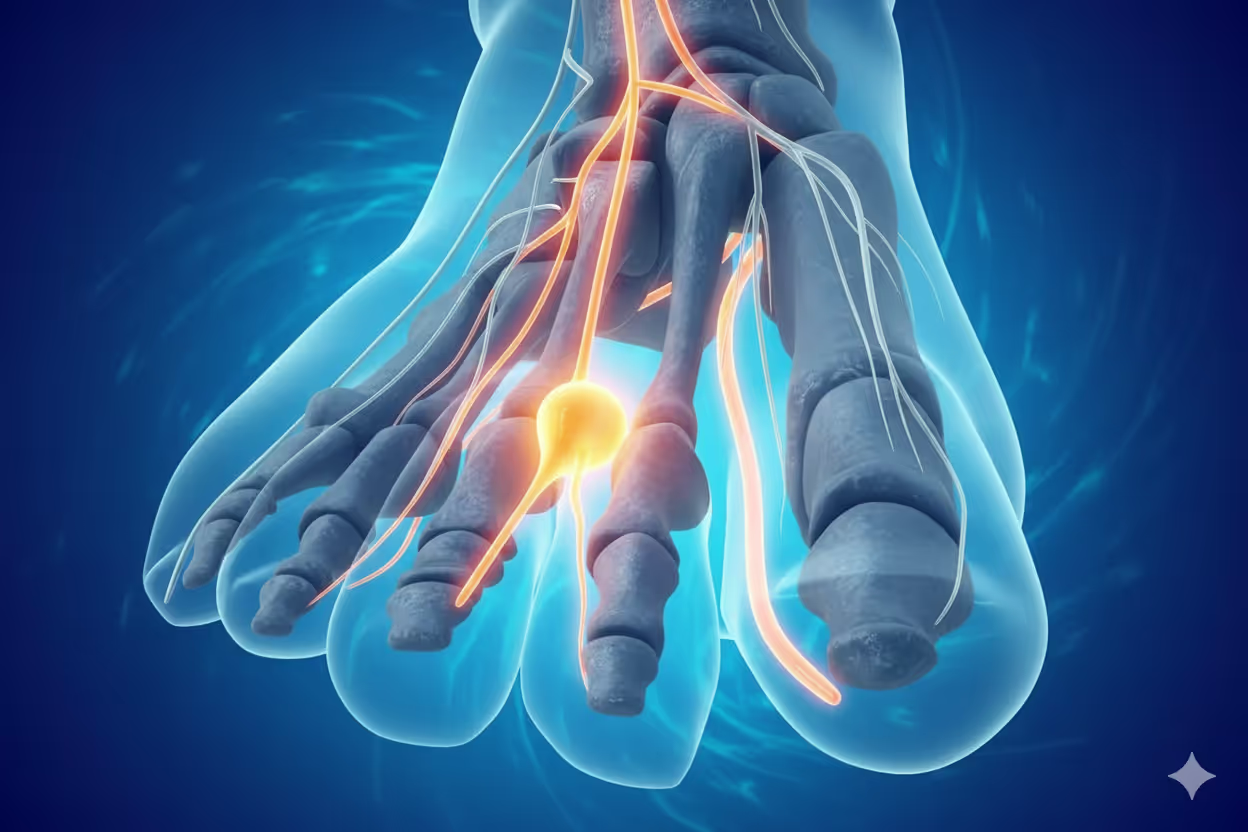
Morton’s neuroma excision is a foot operation where a swollen, irritated nerve in the ball of your foot is carefully removed to reduce pain. Normally, small nerves run between the long bones of your foot (metatarsals) and split toward your toes. With Morton’s neuroma, one of these nerves—most often between the third and fourth toes—gets thickened and inflamed, often from pressure, tight shoes, or foot mechanics.
In a neuroma excision, the surgeon makes a small cut on the top or bottom of the foot, gently moves aside soft tissues, and finds the enlarged nerve bundle. They then remove the thick, damaged segment of nerve while protecting nearby structures like blood vessels and tendons. The goal is to stop the nerve from constantly firing pain signals when you walk, stand, or wear shoes.
This surgery is usually considered when non‑surgical options—like wider footwear, orthotics, padding, or injections—haven’t given enough relief and the neuroma is clearly identified on exam or imaging.
How much does private Morton's neuroma excision cost in Canada?
How we estimate surgical costs: Ranges are estimates drawn from our network of 100+ private clinics and surgeons, and they're intentionally broad. Two people seeking the same procedure can receive very different quotes depending on province, surgeon, facility fees, and case complexity. Published prices aren't always comparable either—some are complete bundles, others exclude consultation, imaging, or follow-up. Only the clinic can give you an exact, itemized quote.
Morton’s neuroma excision is a smaller foot surgery, so costs are usually lower than big joint operations.
- In Canada, private clinics often charge around CA$3,000–CA$8,000 per foot.
How much does it cost in the United States on average?
- In the U.S., Morton’s neuroma surgery can range roughly from CA$4,100 to CA11,500+
Why does the price vary so much?
Things that change the cost:
- City/province or state
- Surgeon experience and reputation
- Clinic vs full hospital setting
- How many neuromas are treated in the same foot
- What is bundled in (anaesthesia, follow‑ups, special footwear, etc.)
What’s usually included
Most private quotes will bundle:
- Surgeon fee (and assistant, if used)
- Anaesthesia costs (local + sedation or regional block, monitoring)
- Facility fees (operating room time, nursing staff, supplies, equipment)
- Standard surgical materials (sutures, dressings, basic post‑op shoe/sandal if provided)
- Immediate recovery care on the day of surgery
- Early follow‑up visits to check the incision and remove stitches (if non‑dissolving)
What’s usually not included
Often billed separately or handled elsewhere:
- Pre‑op tests and imaging (X‑rays, ultrasound, MRI)
- Extra specialist consults, like medical clearance from a cardiologist
- Travel and accommodation if you go out‑of‑province or to the U.S.
- Long‑term physiotherapy beyond any basic instructions or one‑off sessions
- Prescription medications after discharge (pain meds, antibiotics, etc.)
- Custom orthotics or special footwear once you are healed
Insurance and payment notes
- Private or workplace insurance: Some plans may cover parts (e.g., hospital fees or orthotics). You have to check your specific policy.
- Financing plans: Many private clinics now offer monthly payment options.
- Medical Expense Tax Credit (METC) in Canada: Out‑of‑pocket medical costs, including private surgery, may be claimed to reduce your taxes if they qualify.
Morton's neuroma excision steps: what to expect
Surgery usually takes 20–60 minutes for one neuroma (longer if more than one). Expect to be at the clinic or hospital for several hours (check‑in, anaesthesia, surgery, and early recovery).
Basic steps (start to finish)
1. Check‑in and planning
- You arrive, change, and meet the nurse and anaesthesia team.
- The surgeon confirms which foot and which web space (between which toes) they will operate on, then marks the area.
2. Anaesthesia
- Most people get:
- Local + sedation (numbing the foot plus medicine to make you relaxed and sleepy), or
- A regional block (numbing the leg/foot) with or without light sedation.
- You should not feel sharp pain during the operation.
3. Position and prep
- You lie on your back; the foot is placed so the surgeon can easily reach the nerve.
- The skin is cleaned with antiseptic, and sterile drapes are put around the area.
4. Incision
- A small cut is made either:
- On the top of the foot between the affected toes, or
- Sometimes on the sole (depending on surgeon preference).
- Soft tissues are gently moved aside to expose the thickened nerve.
5. Finding and removing the neuroma
- The surgeon carefully identifies the swollen nerve segment (the neuroma) between the metatarsal bones.
- The damaged part of the nerve is removed, while protecting nearby blood vessels, tendons, and normal tissue.
- The ends of the nerve are positioned so they are less likely to be irritated.
6. Closure and dressing
- The area is rinsed, then the incision is closed with sutures.
- A dressing and padding are applied to protect the wound and support the forefoot.
7. Early recovery
- You go to a recovery area while the numbness and sedation start to wear off.
- The team checks your vital signs, foot circulation, and comfort, and reviews your instructions before you go home the same day (in most cases).
What can I expect from the Morton's neuroma excision recovery process?
Your exact plan comes from your surgeon, but here’s the general idea. Take it seriously—how you protect and use your foot after surgery affects your result.
First few days
What it feels like
- Sore, swollen forefoot
- Weird to put weight on it at first
- You’ll likely have bandages and maybe a special shoe or sandal
Main goals
- Control pain and swelling
- Protect the incision
- Keep blood flowing in your leg
Typical instructions
- Keep your foot elevated above heart level as much as you can
- Use ice as allowed to reduce swelling
- Wiggle toes and move your ankle gently to keep things loose
- Follow your surgeon’s rules on weight‑bearing (some allow partial weight in a post‑op shoe, some want you very light on it at first)
- Keep the dressing dry and clean
Weeks 1–3
What it feels like
- Still swollen, especially by the end of the day
- Walking is possible but a bit awkward
Main goals
- Walk short distances safely
- Protect the nerve area while it settles
- Let the skin and soft tissues heal
Typical steps
- Stitches removed around 10–14 days, if not absorbable
- Gradually increase time on your feet, but still do lots of elevation
- You may move from crutches/walker to just a supportive shoe as cleared
- Light daily activities around the house are usually okay
Weeks 4–8
What it feels like
- Less “sharp” pain, more occasional aching or pulling
- Some numbness between the toes is normal and expected
Main goals
- Get back to more normal walking
- Reduce swelling and stiffness
- Start easing into regular shoes (wide, soft ones first)
Typical steps
- Transition into roomy, supportive footwear as allowed
- Short walks on flat ground, slowly building time and distance
- Gentle stretches and foot exercises if your surgeon or physio recommends them
Beyond 2–3 months
What it feels like
- Most people have much less burning/pebble pain
- Numbness in the web space between toes often stays but is usually not bothersome
Main goals
- Walk and stand comfortably for normal daily life
- Return to your usual activities and footwear (within reason)
Red flags anytime
Call your care team or seek urgent help if you notice:
- Fever, chills, or feeling very unwell
- Increasing redness, warmth, or pus‑like drainage from the incision
- Sudden big increase in pain or swelling in the foot or calf
- Trouble moving or feeling your toes that is new or getting worse
What is Surgency?
As a family doctor in the public system, I believe transparency is a form of care. I created Surgency to help my patients struggling on long waitlists who wanted to understand all their options for timely medical attention.
Surgency is a free resource designed to empower and educate—helping you understand private pathways and find accredited surgeons within Canada. I hope Surgency brings you clarity.
Dr. Sean Haffey

Why do people get Morton's neuroma excision surgery done privately?
Shorter wait times
- Time matters when every step feels like you are walking on a pebble.
- Instead of waiting months (or longer) for consultation and OR time, private centres can often book surgery within weeks.
- That means less time with burning forefoot pain and faster return to normal walking, work, and daily life.
Choice and control
Going private lets you:
- Choose an experienced forefoot surgeon experienced with neuroma excision
- Plan surgery around work, travel, or sport seasons
Peace of mind
- You know exactly who will operate, when, and what the plan is.
- Clear dates and an itemized quote make it easier to arrange time off, rides, and follow‑up care.
Preventing further decline
- Function and quality of life: Limits months of limping, shoe problems, and activity cut‑backs.
- Foot mechanics: Earlier treatment may help prevent long‑term changes in how you walk and load your other joints.
- Mental load: Reduces the constant stress of planning your day around foot pain and wondering when relief will actually happen.
Choosing a surgeon and clinic
Choosing your surgeon is one of the benefits of going private. Here's how to choose wisely.
What to look for
Experience and volume
- Ask how many Morton’s neuroma excisions they do per year.
- Ask if they regularly do forefoot surgery (not just “general” foot work).
Credentials and training
- Make sure they are licensed with the provincial college (CPSO, CPSBC, CPSA, etc.).
- Look for:
- FRCSC‑certified orthopaedic surgeon with foot/ankle training, or
- FRCSC‑certified plastic surgeon with focused foot work, or
- Podiatric surgeon with hospital/surgical centre privileges (where applicable).
Safety and outcomes
- Ask about:
- Infection rate
- How often people need re‑operation in the same area
- Typical pain relief and satisfaction at 6–12 months
- Make sure they explain trade‑offs like expected numbness honestly.
Technique
- Ask where they make the incision (top vs bottom of foot) and why.
- Ask how they handle the cut nerve end to reduce risk of a new painful neuroma.
Facility accreditation
- Choose a clinic or surgical centre that is formally accredited, for example by:
- Accreditation Canada
- CAAASF (Canadian Association for Accreditation of Ambulatory Surgical Facilities), or
- Equivalent provincial body.
Rehab and follow‑up
- Check that you’ll get:
- Clear written post‑op instructions
- A plan for activity, footwear, and return to work
- Simple access to your surgeon or team if you have concerns
Questions to bring to your consultation
About the surgeon and surgery plan
- How many Morton’s neuroma excisions do you perform each year?
- Do you mainly treat forefoot problems (bunions, neuromas, hammertoes), or is this a small part of your practice?
- Where will you make the incision and why that approach for me?
- What are your rates of infection, re‑operation, or painful recurrent neuromas?
Anaesthesia and safety
- What kind of anaesthesia do you recommend (local + sedation, regional block, etc.)?
- How will you manage pain right after surgery?
- If there’s an emergency, do you have a hospital transfer plan?
Recovery and aftercare
- How long do you expect me to use a special shoe or crutches?
- When can I likely return to:
- School/desk work?
- A job where I stand a lot?
- Sports or long walks?
- Who do I contact if I’m worried about pain, swelling, or the incision?
Costs and logistics
- What exactly is included in my quote (surgeon, anaesthesia, facility fees, dressings, post‑op shoe, follow‑ups)?
- What might cost extra (imaging, orthotics, more surgery if you find more than one neuroma)?
- If I’m travelling from another province, which follow‑ups can be virtual, and which need to be in person?
Choosing a surgeon for Morton’s neuroma excision is about more than price. Look for clear communication, real experience with forefoot surgery, a safe accredited facility, and a recovery plan that actually fits your life.
If you're currently interested in private surgical pathways within Canada, you can click here for a list of providers.

Frequently asked questions
How do I know if Morton's neuroma excision is right for me?
Morton’s neuroma excision is usually not the first step. It’s something you and a foot/ankle specialist consider after other options.
Signs Morton’s neuroma excision might be right for you
If you have
- classic symptoms:
- Burning or sharp pain in the ball of the foot
- “Pebble in the shoe” feeling
- Numbness or tingling in two neighbouring toes
- pain that:
- Keeps coming back with walking or tight shoes
- Limits sports, work, or even basic errands
- seen a specialist who:
- Examines your foot and is quite sure it’s Morton’s neuroma
- May have done an ultrasound or MRI to confirm the diagnosis
And you’ve already tried non‑surgical options like:
- Wider shoes and avoiding high heels
- Pads or custom orthotics
- Activity changes
- Anti‑inflammatories or injections
but you still have significant pain or can’t do what you need to do.
When it might not be time yet
Surgery may not be right now if,
- Your symptoms are mild and only show up sometimes
- You haven’t really tried footwear changes, orthotics, or injections
- Your diagnosis is still unclear (could be something else in the forefoot)
If the neuroma is clearly causing your pain, you’ve done the conservative stuff, and it’s still wrecking your daily life, Morton’s neuroma excision can be a reasonable next step. The decision should be made together with a surgeon who explains the trade‑offs clearly, including expected numbness and what success usually looks like.
Do I need a referral?
Yes and no—you can reach out to any of the private surgeons listed on Surgency without a referral. Their intake teams are happy to answer questions, explain what they treat, share pricing ranges, and walk you through next steps.
However, to book a formal consultation with the surgeon, you'll typically need a referral from your family doctor or nurse practitioner. Don't have one? Many of the clinics can help coordinate a virtual GP appointment to get the referral paperwork sorted. All surgeons listed on Surgency offer virtual initial consultations, so you don't need to travel until you and the surgeon have agreed on a plan.
Before your consultation, expect the clinic to request relevant medical records and recent diagnostic imaging (X-ray, MRI, CT, ultrasound, lab work, etc.). Having these ready speeds up the process and lets the surgeon give you specific guidance on your very first call.
How do I prepare for Morton's neuroma excision?
Your surgeon will give you a plan that fits you, but here’s the basic roadmap. Good prep makes for better recovery.
Health and medication prep
Tell your team everything you take: itemize meds, vitamins, and supplements. Your surgeon or family doctor may ask you to pause:
- Blood thinners
- Some anti‑inflammatories
- Herbal products that increase bleeding
Smoking/vaping: If you smoke or vape nicotine, try to quit at least 4 weeks before surgery. It improves healing and lowers infection risk.
General health: Aim for decent sleep, simple, balanced meals, and light movement (walking, gentle cycling) if your foot allows.
Foot and mobility prep
Footwear check:
- A supportive shoe for your non‑surgery foot
- Wide, easy‑on shoes for later stages when you’re allowed out of the post‑op shoe
Practice getting around
If you’ll use crutches or a cane, practice:
- Getting in and out of bed
- Going to the bathroom
- Short “laps” around your home
Home setup
Safe pathways
- Clear clutter, loose rugs, and cords where you’ll walk.
- Keep essentials (snacks, meds, water, phone) at waist level so you’re not bending a ton.
Chill/elevation zone
Set up a spot with:
- Pillows to elevate your foot above your heart
- Easy access to ice/cold packs (if they’re part of your plan)
- Phone + long charger, remote, books/laptop
Bathroom tweaks
- Non‑slip bath mat
- Towels and toiletries within arm’s reach
Support and logistics
A helper
- Arrange a ride home (you cannot drive yourself).
- Try to have someone stay with you for the first 24 hours if possible.
Work and life
- Plan time off school or work, especially if you stand a lot.
- Pre‑plan groceries, pet care, and rides.
Surgery‑day prep
Fasting
Follow anaesthesia rules exactly:
- No food after the time they give you
- Clear fluids only up to the allowed cut‑off
Skin and clothes
- Shower the night before and morning of, as instructed.
- Do not shave your foot.
- Wear loose pants or shorts that fit over bandages and a post‑op shoe.
What to bring
- Photo ID and health card
- Medication list
- Any crutches or walker if they told you to bring them
How much does Surgency cost?
Surgency is free for patients, funded for by surgeons.
Surgeons—who meet our listing criteria—pay a flat fee to list on the Surgency platform. To maintain objectivity, there are no commissions, referral fees, nor any ranking or recommending one surgeon over another.
Surgency is patient-first. Our goal is to make the process of finding a private surgeon as simple as possible. You choose who to contact. Learn more in our Advertising Policy.
What are the risks if I delay or don't get Morton's neuroma excision?
Your situation depends on how bad your pain is, how far you can walk, what your exam/imaging show, and how well non‑surgical stuff (shoes, orthotics, injections, meds) is working. Always talk specifics with your surgeon. Here’s the general picture.
Main risks of delaying or not having Morton’s neuroma excision
(when symptoms are significant and persistent)
1. Progressive pain and limits
- Burning or “pebble in the shoe” feeling keeps getting more frequent and intense.
- Walking distance shrinks; you may avoid malls, sports, or even short errands.
- You rely more on pain medications just to get through the day.
2. Changing the way you walk
- You may start walking on the outside of your foot or avoiding pushing off your toes.
- That odd gait can overload other areas:
- Other parts of the forefoot
- Ankles, knees, hips, or even your back
3. Other foot problems developing
- Extra pressure on different toes or joints can lead to:
- Calluses and corns
- Metatarsalgia (pain under other toe joints)
- Worsening bunions or hammertoes if you already have them
4. Muscle and fitness decline
- If walking hurts, you naturally move less. Over time that can mean:
- Weaker foot and calf muscles
- Less overall fitness and stamina
- Weight gain from being more sedentary
5. Lower quality of life and mood
- You may stop or cut back on:
- Sports and fitness
- Social stuff that involves walking or standing
- Jobs that need you on your feet
- Ongoing pain can mess with sleep and mood, and make you feel older than you are.
6. Medication‑related issues
- Long‑term use of anti‑inflammatories or stronger pain meds can increase risks like:
- Stomach irritation or bleeding
- Kidney problems
- Dependence with some painkillers
When “watch and wait” can be reasonable
Delaying surgery can make sense if:
- Symptoms are mild or off‑and‑on, and you can still do most of what you want.
- Non‑surgical care actually helps:
- Wider, supportive footwear
- Metatarsal pads or custom orthotics
- Activity tweaks
- Occasional injections
- Your specialist is confident things aren’t clearly getting worse.
When it’s probably not wise to keep delaying
You and your surgeon should seriously discuss surgery if:
- Pain is there most days, or shows up with almost any normal walking.
- You’ve properly tried good shoes, orthotics, and maybe injections, and relief doesn’t last.
- You’re regularly avoiding work, school, or important activities because of foot pain.
- You’re changing your gait so much that other joints are starting to hurt.
Morton’s neuroma excision is not for every little twinge in the forefoot. But if the neuroma is clearly the main problem and conservative treatments have failed, putting it off can mean more pain, more limits, and more knock‑on problems elsewhere.
What are the risks involved with Morton's neuroma excision?
Every surgery has risks. Your personal risk depends on your health, foot shape, circulation, and how closely you follow post‑op instructions. Always go over your own situation with your surgeon.
Common and usually temporary
These are annoying but expected for many people:
- Pain, swelling, bruising around the forefoot
- Soreness when walking or standing for a while at first
- Stiffness in the toes or foot early on
- Nausea from anaesthesia, constipation from pain meds
- Numbness between the toes where the nerve was removed (this is kind of the “trade‑off” for less pain)
Less common risks
These happen less often but are important to know about:
- Infection of the skin or deeper tissues
- Wound healing problems or blood collecting under the skin (haematoma), especially if there is lots of swelling
- Scar sensitivity – the scar can feel tender when you press or wear tight shoes
- Nerve irritation at the cut nerve end or nearby branches, causing:
- Burning
- Zaps of pain
- Tingling or odd sensations
- Persistent pain in the ball of the foot if:
- There were other issues (like joint arthritis)
- The neuroma isn’t the only source of pain
- New or recurrent neuroma – a new painful nerve lump forming at the cut end (less common, but possible)
- Changes in how you walk, which can stress other parts of the foot if you don’t get back to a normal pattern
Uncommon but more serious
Rare, but you need to know they exist:
- Deep infection that may need more surgery and antibiotics
- Blood clots in the leg (DVT) that can travel to the lungs (PE)
- Complex regional pain syndrome (CRPS) – an uncommon condition where the foot becomes very painful, swollen, and sensitive
- Ongoing significant pain or disability even after a technically “successful” surgery
How you can lower your risk
You can’t get risk to zero, but you can help:
- Quit nicotine (smoking/vaping) before surgery if you can
- Follow wound‑care instructions: keep the dressing clean and dry
- Protect your foot: follow weight‑bearing rules and use crutches or a post‑op shoe properly
- Keep moving safely: wiggle toes, do ankle pumps, and walk short distances when allowed to help blood flow
- Go to follow‑ups so problems are caught early
Red flags to call about
Contact your care team or seek urgent help if you notice:
- Fever, chills, or feeling very unwell
- Increasing redness, warmth, or foul‑smelling drainage from the incision
- Sudden big increase in foot or calf pain and swelling
- Toes that look very pale, blue, or feel ice‑cold
- Painful “electric shock” type pain getting worse instead of better
Morton’s neuroma excision is usually a low‑to‑moderate risk surgery, but it is still real surgery. Understanding the risks helps you make a clear decision and prepares you to spot problems early.
I still have questions
If you still have questions, then feel free to contact us directly.






.avif)